Tropical Beach Vacation Destinations Usa: An Editorial Guide
Tropical beach vacation destinations usa offer a diverse spectrum of ecological and cultural experiences that cater to both the casual traveler and the discerning professional. These regions serve as critical benchmarks for the American hospitality industry, blending natural beauty with sophisticated infrastructure. Understanding the nuances of these locales requires an analytical approach to geography, service standards, and seasonal logistics.
The complexity of selecting an ideal destination involves more than just a search for white sand and blue water. It requires a deep dive into the systemic differences between Pacific volcanic landscapes and Atlantic coral ecosystems. This guide provides a comprehensive framework for evaluating these high-prestige environments through an editorial lens focused on quality and long-term value.
For the professional travel designer or the high-end consumer, the distinction between a standard trip and a premier experience lies in the details of the “great hotel” infrastructure. This involves assessing the synergy between the natural environment and the built environment. As domestic travel continues to evolve, these destinations remain the cornerstone of American aspirational living.
Tropical Beach Vacation Destinations Usa
The core essence of tropical beach vacation destinations usa is defined by their unique ability to provide an exotic atmosphere within a domestic regulatory and logistical framework. For many, these locations represent the ultimate synthesis of accessibility and luxury. Think of these destinations as a high-performance vehicle: the natural scenery is the engine, but the hospitality infrastructure acts as the steering and suspension that ensure a smooth ride.
The Convergence Of Geography And Infrastructure
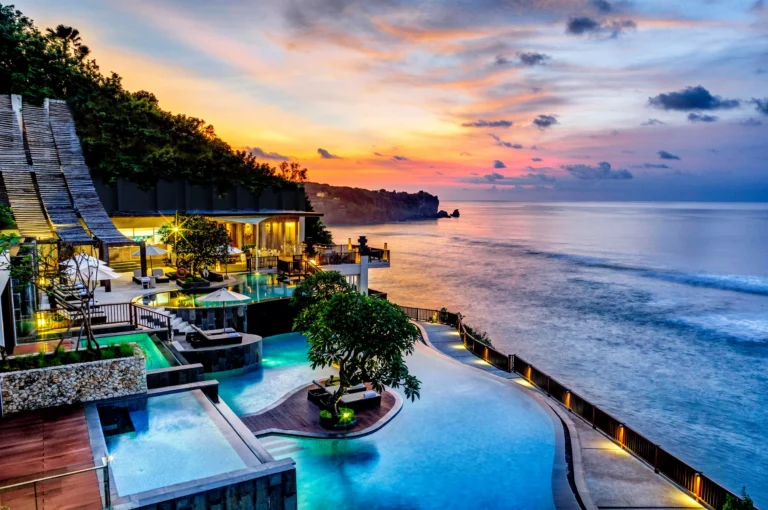
In the professional sphere, a destination is often viewed as a platform for experience delivery. The primary tropical hubs in the United States, such as Hawaii, the Florida Keys, and Puerto Rico, provide different “operating systems” for leisure. Hawaii offers a rugged, volcanic luxury that emphasizes heritage and dramatic vistas, while Florida provides a more accessible, flat-water prestige focused on nautical culture and sunset aesthetics.
Defining The Professional Standard
Misunderstandings often arise when travelers conflate “tropical weather” with “tropical infrastructure.” A professional interpretation of these destinations prioritizes locations where the service ecosystem is resilient enough to handle high-demand periods without degrading the user experience. The quality of a great hotel in these regions is measured by its integration into the local landscape and its ability to mitigate environmental stressors like heat and humidity.
The Psychological Appeal Of Domestic Tropics
From a behavioral standpoint, tropical beach vacation destinations usa provide a sense of psychological safety combined with the thrill of discovery. The absence of passport requirements (for U.S. citizens) and the use of the domestic currency lower the cognitive load for travelers. This allows for a deeper focus on high-standard outcomes, such as wellness, family bonding, or professional networking in a relaxed setting.
The Evolution Of American Coastal Luxury
Historical trends in American travel reveal a fascinating shift from the boardwalk culture of the early 20th century to the master-planned resort communities of the modern era. Originally, coastal leisure was a seasonal escape for the elite, focused primarily on the cooling breezes of the Northeast. However, the development of air conditioning and advanced transportation revolutionized how we perceive tropical beach vacation destinations usa.
From The Gilded Age To The Jet Age
The “old ways” of beach vacationing relied on grand, wooden hotels with massive wrap-around porches and limited privacy. These structures were designed for airflow rather than isolation. Modern standards, influenced by the mid-century rise of aviation, shifted toward the “total resort” concept. Here, every amenity—from world-class dining to private beach access—is contained within a single, highly managed ecosystem.
The Rise Of The Modern Resort Ecosystem
The evolution of quality in this field is characterized by the transition from passive observation of nature to active engagement with it. In the past, a hotel simply provided a room near the water. Today, a great hotel in a tropical setting acts as a curated gateway, offering guided ecological tours, private snorkeling lagoons, and architectural designs that blur the line between indoor and outdoor spaces.
Why Historical Assumptions Persist
Certain outdated assumptions persist, such as the idea that tropical destinations are inherently “slower” or less professional in their service delivery. Modern infrastructure has largely debunked this “island time” myth. Today, the most prestigious tropical beach vacation destinations usa feature hyper-efficient logistics, high-speed connectivity, and service standards that rival major urban financial centers.
Strategic Frameworks For Destination Evaluation
To navigate the vast options available, one must employ specific mental models that categorize destinations based on their functional value. For the layperson, these frameworks help clarify what they are actually looking for in a trip. For the professional, they prevent decision errors such as over-committing to a location that lacks the necessary support systems for a specific group size or event type.
The Ecosystem Integrity Model
This model evaluates a destination based on how well it preserves its natural assets while providing modern comforts. A high-integrity ecosystem ensures that the beach remains pristine and the local flora is integrated into the resort design. When this balance is missed, the result is a sterile experience that feels disconnected from the very “tropical” essence the traveler sought.
The Accessibility Paradox
This heuristic suggests that as a destination becomes easier to reach, its “prestige” value may shift from exclusivity to service density. Professional planners must decide whether the goal is total seclusion (low accessibility, high effort) or convenience (high accessibility, high service). Tropical beach vacation destinations usa like Kauai represent the former, while areas of Maui or Miami represent the latter.
The Seasonality Matrix
Understanding the “off-season” is a strategic advantage. While most seek these destinations in winter, the “shoulder seasons” often provide the highest value in terms of service-to-cost ratios. This framework helps professionals identify windows where the infrastructure is under less stress, allowing for a more personalized and higher-quality experience at a great hotel.
The Variation Matrix Of Tropical Destinations
The diversity of tropical beach vacation destinations usa can be categorized into distinct archetypes. Each offers a specific set of advantages and trade-offs that influence the final quality of the vacation. Identifying the right “flavor” of tropical environment is the first step in successful planning.
| Variation | Target Audience | Core Advantage | Trade-offs | Relative Complexity |
|---|---|---|---|---|
| Volcanic Pacific (Hawaii) | Adventure seekers and luxury enthusiasts | Dramatic landscapes and deep cultural heritage | High travel time and premium pricing | High |
| Coral Atlantic (Florida Keys) | Nautical fans and casual travelers | Unmatched water access and diving | Limited sandy beach expanses | Medium |
| Gulf Coast (Florida/Alabama) | Families and large groups | Fine white quartz sand and calm waters | Higher humidity and seasonal crowds | Low |
| Island Territories (USVI/PR) | Discovery-seekers | Caribbean aesthetic with domestic ease | Infrastructure variability | High |
Decision Logic For Destination Choice
Choosing the right path depends on the specific constraints of the trip. If the constraint is time, the Florida coast provides immediate tropical relief. If the constraint is “uniqueness,” the remote shores of Hawaii or the cultural richness of Puerto Rico offer a higher return on investment. Professionals often weigh these factors against the availability of Top Family Suite Options: Professional Guide To Hotel Layouts to ensure the physical space matches the group’s needs.
Nuances Of The Gulf Vs. The Atlantic
While both offer tropical elements, the Gulf of Mexico is characterized by its shallow, warm shelf, making it ideal for families. The Atlantic side of tropical beach vacation destinations usa tends to offer more dynamic wave action and a deeper blue hue to the water. A great hotel on either side will capitalize on these specific aquatic traits through its programming and architecture.
Real-world Scenarios And Applied Logic
To understand the practical application of these concepts, we must look at how different scenarios play out in real-world settings. A decision that seems sound on paper may have second-order consequences that only become apparent once on the ground. These scenarios highlight the importance of high-standard outcomes in premium lifestyles.
The Multi-generational Retreat
In a scenario involving three generations, the focus shifts to “passive engagement.” The grandparents may want a view of the ocean from a climate-controlled balcony, while the children need active beach time. Choosing a destination like Wailea in Maui provides the necessary infrastructure—paved walking paths, varied dining, and accessible shorelines—to satisfy all parties simultaneously.
The High-stakes Professional Summit
When a tropical beach vacation destinations usa is selected for a corporate retreat, the “great hotel” must function as a high-tech office. Failure modes in this scenario often involve poor Wi-Fi or a lack of private meeting spaces. The second-order consequence of a “beautiful but disconnected” resort is a loss of productivity and participant frustration. Professional-grade destinations in Honolulu or Miami are designed specifically to mitigate these risks.
The Secluded Romantic Escape
For high-end couples, the “luxury of silence” is often the primary goal. In this scenario, the destination must offer “density of privacy.” A resort that looks great in photos but has tightly packed villas will fail to deliver the desired outcome. Applying logic here means looking for properties with low room counts and high acreage, such as those found on the more remote stretches of Kauai or the private islands of the Florida Keys.
Planning, Cost, And Resource Dynamics
The financial reality of tropical beach vacation destinations usa involves a clear understanding of the “total cost of experience.” Entry-level pricing often masks hidden fees that can significantly inflate a budget. A professional approach involves auditing all resource requirements, from transport logistics to on-site service gratuities.
| Category | Entry-Level Scenario | Professional Standard | Enterprise/High-End | Key Nuance |
|---|---|---|---|---|
| Accommodation | Standard beachfront room | Multi-room suite or villa | Private estate or penthouse | Layout impacts group harmony |
| Transportation | Rideshare and public transit | Full-size rental or shuttle | Private chauffeur or heli-transfer | Traffic can negate proximity |
| Dining | Casual local eateries | Mixed casual and fine dining | Private chef and curated events | Reservations are a bottleneck |
| Activities | Public beach access | Guided group tours | Bespoke private excursions | Equipment quality varies widely |
The Reality Of Opportunity Cost
Choosing a cheaper, more distant beach may seem like a saving, but the opportunity cost of travel time must be factored in. For a short four-day window, spending two days in transit to a remote tropical beach vacation destinations usa is an inefficient use of resources. In these cases, a premium domestic location with a higher nightly rate but lower transit time provides better value.
Hidden Costs In The Tropics
One must account for “environmental tax,” which includes things like resort fees, reef-safe sunscreen requirements, and higher-than-average food costs due to importation. A great hotel will be transparent about these costs, but a professional planner builds a 15-20% buffer into the budget to ensure the experience remains seamless and stress-free.
The Professional Toolkit For Tropical Success
Navigating the complex landscape of high-end travel requires specific tools and strategies. These are not just apps or websites, but systemic approaches to gathering information and executing a plan. The real problem these tools solve is “information asymmetry”—the gap between what a resort claims to be and what it actually delivers.
Strategy: The Concierge Verification Loop
A sophisticated traveler does not rely solely on online reviews. They use a “verification loop” by contacting the hotel’s concierge before booking. By asking specific, non-obvious questions about current local construction, beach erosion status, or specific Top Family Suite Options: Professional Guide To Hotel Layouts, they can gauge the actual level of service and transparency of the property.
The Role Of Loyalty Ecosystems
In tropical beach vacation destinations usa, loyalty programs are more than just point collectors; they are “status filters” that ensure better room placements and priority service. For a professional, these systems are essential for mitigating the risks of overbooking or receiving a sub-optimal room view. Integrating into these ecosystems is a long-term strategy for consistent quality.
Hidden Limitations Of Digital Tools
While booking platforms are convenient, they often have “blind spots” regarding real-time conditions. A digital tool might show a sunny forecast, but it won’t mention the seasonal influx of sargassum (seaweed) that can ruin a beach experience. Professionals complement digital data with local human intelligence—either through travel advisors or direct local contacts.
Risk Landscape And Failure Modes
The “paradise” of tropical beach vacation destinations usa is not without its risks. These can be categorized into structural risks (weather), operational risks (hotel service failures), and human errors (poor planning). Identifying these “failure modes” allows for the creation of a robust safety net.
Structural Risks: The Weather Factor
The most obvious risk is hurricane season, which typically runs from June through November in the Atlantic and Gulf. A professional mitigation strategy involves choosing destinations with “high-resilience” infrastructure or planning trips during the “goldilocks” months of April and May. Travel insurance is not just an add-on; in these regions, it is a core component of the risk management strategy.
Operational Failures At The Great Hotel
A common failure mode is the “service-to-occupancy” lag. This happens when a resort is at 100% capacity but staffed for 70%. This results in long wait times for dining and degraded housekeeping. To avoid this, professionals look for hotels with a high staff-to-guest ratio, especially during peak holiday periods.
The Human Error Of Over-scheduling
In an attempt to maximize value, many travelers over-schedule their time. In tropical beach vacation destinations usa, the heat and humidity increase physical fatigue. A “systemic failure” occurs when the family or group becomes too exhausted to enjoy the premium amenities they have paid for. A successful plan includes “strategic downtime” to allow for physiological recovery.
Governance And Long-term Sustainability
Maintaining the prestige and aesthetic quality of tropical beach vacation destinations usa requires constant effort from both the hospitality industry and the visitors. Static systems—resorts that don’t innovate or shores that aren’t protected—eventually fail. The concept of “Dynamic Adaptation” is essential for long-term mastery of this field.
Preserving Aesthetic Quality And Prestige
For a destination to remain a “great hotel” hub, it must invest in constant renewal. This involves soft-goods renovations every few years and major structural updates every decade. From a consumer perspective, choosing a property that has recently undergone a renovation ensures that the “prestige” of the experience matches modern aesthetic standards.
The Checklist For Long-term Review Cycles
- Annual audit of environmental impact and reef health in the immediate vicinity.
- Bi-annual review of service standards and guest feedback loops.
- Quarterly assessment of local infrastructure (roads, airports, medical facilities).
- Seasonal check of beach stability and sand replenishment needs.
- Continuous monitoring of cultural integration and local community relations.
The Sustainability Of Premium Consumption
Long-term desirability is tied to the sustainability of the destination. Travelers are increasingly choosing tropical beach vacation destinations usa that demonstrate cultural responsibility. This includes using locally sourced materials, supporting indigenous communities, and implementing zero-waste protocols. These practices preserve the “brand” of the destination for future generations.
Measurement And Tracking Success
How does one prove that a trip was “successful” beyond just looking at photos? Professionals use a mix of leading and lagging indicators to evaluate the effectiveness of their destination choice. This analytical approach moves beyond “feelings” and into the realm of objective quality assessment.
Leading Indicators Of Quality
Leading indicators are signals that appear before or during the trip. These include the responsiveness of the pre-arrival concierge, the clarity of the resort’s digital communication, and the current maintenance status of the public areas. If these are high, the likelihood of a successful tropical beach vacation destinations usa experience is significantly increased.
Lagging Indicators Of Success
Lagging indicators are the final results. For a family, this might be the “recovery rate”—how long it takes for everyone to feel rested after returning. For a professional event, it is the post-trip survey score from stakeholders. A great hotel experience should result in a high “return intent” score, which is the ultimate metric of long-term value.
Proving Value To Stakeholders
When a professional recommends a high-cost destination to a layperson or stakeholder, they must provide “documentation of success.” This involves showing how the chosen layout (using a Top Family Suite Options: Professional Guide To Hotel Layouts) reduced friction and how the specific location minimized logistical risks. Proof is found in the absence of problems.
Common Misconceptions And Mitos
A “Truth Filter” is necessary to separate marketing hype from reality. Many myths persist because they simplify a complex reality, but they often lead to poor decision-making for those seeking high-standard outcomes in tropical beach vacation destinations usa.
Myth: Hawaii Is Always Too Expensive
While the baseline cost is higher, the value found in the “public trust” of Hawaii’s beaches is unmatched. Every beach in Hawaii is public, meaning you don’t always need to stay at the most expensive resort to access the best sand. The accurate reality is that Hawaii offers high “experiential ROI” if you know how to leverage its public assets.
Myth: Florida Beaches Are All The Same
This is a common beginner error. The difference between the “sugar sand” of the Panhandle and the rocky, coral-rich shores of Key Largo is vast. The former is for traditional lounging; the latter is for aquatic adventure. Understanding this distinction is key to matching the destination to the desired activity.
Myth: Tropical Regions Are Unproductive
The “island time” stereotype suggests that work cannot be done in these areas. In reality, tropical beach vacation destinations usa like Miami and Honolulu are major global hubs with world-class connectivity. A great hotel in these cities is a powerhouse of productivity, often offering better infrastructure than mainland urban centers.
Ethical And Practical Limits Of Consumption
Every premium experience has its boundaries. Discussing the “Gray Areas” of travel involves acknowledging the impact that high-end tourism has on local ecosystems and cultures. Social responsibility is a core component of being a “senior” traveler or professional in this space.
The Boundaries Of Premium Consumption
There is a point where luxury becomes invasive. Over-development can strip a destination of the very “tropical” charm that made it famous. In certain areas of Hawaii, there are practical limits on how many visitors a specific valley or beach can handle before the experience is degraded for everyone. Respecting these limits is part of a sustainable travel ethos.
When To Not Use This Approach
A high-end resort approach is not always the answer. If the goal is deep cultural immersion, staying in a “walled-off” luxury enclave may be counter-productive. The constraints of the current era—such as rising sea levels and coastal erosion—mean that we must be more selective about which tropical beach vacation destinations usa we support and how we interact with their fragile coastlines.
Cultural Responsibility In The Tropics
Being a guest in a tropical environment carries a responsibility to respect local traditions and history. This is particularly true in places with deep indigenous roots. A professional-grade traveler seeks to understand the “sense of place” and ensures their presence contributes positively to the local economy without displacing or disrespecting the resident population.
Conclusion: The Synthesis Of Judgment And Process
Successful engagement with tropical beach vacation destinations usa is a balance between rigorous systemic process and intuitive human judgment. While data, tables, and frameworks provide the structure, the final “quality” of an experience is often found in the seamless execution of a plan that accounts for both the beauty of nature and the complexity of human needs.
A great hotel is more than a building; it is a managed environment that mitigates risk while maximizing the aesthetic and psychological rewards of travel. Whether you are a professional planning for a high-stakes group or an enthusiast seeking a personal retreat, the key is to view the destination as a high-performance system that requires careful calibration.
Ultimately, the prestige of these American tropical hubs lies in their ability to evolve while maintaining the core appeal of the sun, sand, and sea. As we move forward, the most successful destinations will be those that prioritize integrity, sustainability, and the relentless pursuit of high-standard service. True authority in travel is earned by recognizing that the best experiences are never accidental; they are designed.
Frequently Asked Questions
What Is The Best Time Of Year To Visit Tropical Beach Vacation Destinations Usa For Lower Costs?
The shoulder seasons, specifically late April to early June and September to early November, typically offer the best balance of lower costs and manageable crowds, though one must be mindful of the Atlantic hurricane season during the fall months.
Do I Need A Passport To Visit The Us Virgin Islands Or Puerto Rico?
No, U.S. citizens do not need a passport to visit these territories, as they are part of the United States. However, carrying a government-issued photo ID is required for air travel and re-entry to the mainland.
What Defines A Great Hotel In A Tropical Setting?
A great hotel is defined by its ability to integrate high-end service with the natural environment, offering resilient infrastructure, private beach access, and amenities that are specifically designed to handle the tropical climate, such as advanced cooling systems and moisture-resistant materials.
Are The Beaches In Hawaii Better Than The Beaches In Florida?
The choice depends on your goals; Hawaii offers dramatic volcanic scenery, deeper water for surfing, and a unique cultural heritage, while Florida offers calmer, warmer waters and expansive stretches of white quartz sand that are often better suited for traditional sunbathing and families.
How Can I Ensure My Tropical Vacation Is Environmentally Responsible?
To practice responsible travel, choose resorts with certified sustainability programs, use reef-safe sunscreens, minimize single-use plastics, and respect local wildlife and “no-take” zones in protected marine areas to ensure the longevity of these delicate ecosystems.