Top Mountain Lodge Experiences In America: A Complete Guide
Top mountain lodge experiences in america represent a pinnacle of seasonal travel, blending architectural ingenuity with the raw majesty of high-altitude landscapes. These destinations serve as more than simple accommodations; they are immersive environments designed to balance human comfort against the unpredictable elements of the wild. For many, seeking these retreats is a way to reconnect with nature while maintaining the standards of modern luxury and professional service.
The evolution of these properties reflects a shift in how individuals perceive leisure and remote productivity. While the fundamental appeal remains the proximity to alpine beauty, the delivery of these experiences has become increasingly sophisticated. Understanding the nuances of these lodges requires an appreciation for both the structural challenges of mountain construction and the cultural expectations of high-end hospitality.
Top Mountain Lodge Experiences In America
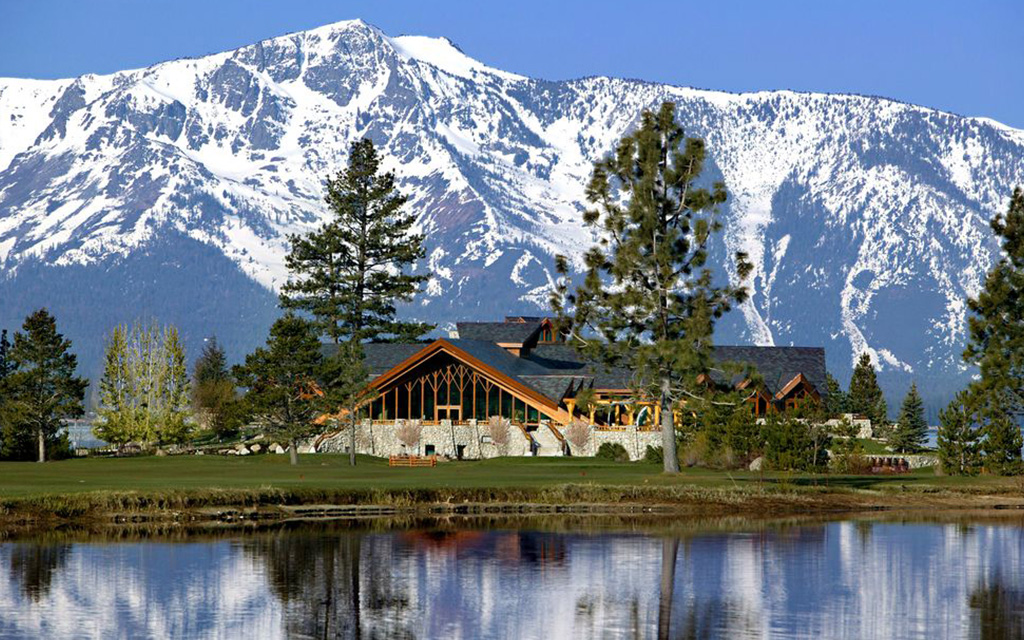
The core essence of top mountain lodge experiences in america lies in the concept of “sheltered immersion.” Think of a well-built sanctuary that does not separate the guest from the environment but rather frames the environment in a way that is accessible and profound. Just as a gallery uses lighting and space to elevate art, a premier mountain lodge uses glass, stone, and wood to curate the viewer’s interaction with the peaks and valleys outside.
Professionals in the hospitality industry often interpret these experiences through the lens of “place-making.” This involves creating an atmosphere that feels both permanent and ephemeral. Common misunderstandings often suggest that a lodge is simply a hotel in the woods. However, the true distinction lies in the integration of site-specific services, such as specialized gear management and local ecological interpretation, which define the high-standard lodges.
The Philosophy Of Elevated Seclusion
Modern lodges prioritize seclusion without isolation. This philosophy suggests that true luxury is found in the ability to access remote vistas while remaining connected to essential comforts. The design usually follows a logic where the landscape dictates the layout, ensuring that the human footprint remains secondary to the natural topography.
Defining The High-standard Benchmark
A high-standard lodge is measured by its “thermal and visual comfort.” This means the transition from a cold, rugged exterior to a warm, inviting interior must be seamless and aesthetically consistent. The use of authentic materials, such as reclaimed timber and local granite, ensures the property feels rooted in its specific geographic context rather than like a generic luxury build.
The Evolution Of Mountain Hospitality
Historically, mountain lodging was functional, serving as basecamps for explorers and miners. The transition to leisure began in the late 19th century with the “Great Camps” of the Adirondacks. These sites established a precedent for rustic elegance that continues to influence the top mountain lodge experiences in america today.
The middle of the 20th century saw the rise of the “Ski Resort” model, which prioritized volume and proximity to lift systems. However, the modern era has returned to the “Lodge” ideal, focusing on year-round engagement with the environment. Today, the standard is defined by sustainability, wellness, and a high degree of personalization that surpasses the traditional resort model.
Modern Standards Vs. Historical Traditions
Old-world mountain cabins often prioritized durability over aesthetic transparency. Small windows and heavy insulation were necessary for survival but limited the guest’s connection to the view. Modern standards utilize triple-pane glass and advanced climate control to allow for massive floor-to-ceiling windows that erase the boundary between the living room and the mountain range.
The Strategic Foundation Of Alpine Retreats
To understand the mechanics of top mountain lodge experiences in america, one must adopt specific mental models. One such model is “The Three-Altitude Rule.” This framework considers the lodge’s performance at the valley floor (logistics), the mid-mountain (recreation), and the peak (visual impact). Success is achieved when the lodge manages all three tiers effectively.
Another essential mental model is “Material Integrity.” For professionals, this means using materials that age gracefully in harsh climates. A copper roof or a cedar siding should develop a patina that enhances the property’s character over decades. This long-term thinking prevents the “dated” look that plagues lower-tier developments.
Heuristics For Site Selection
When evaluating a location, professionals look for “Micro-Climates” and “Wind-Sheds.” A lodge placed on a wind-exposed ridge might offer a view but will suffer from high heating costs and guest discomfort. The best experiences are often found in “Leeward Luxury,” where the architecture protects the inhabitant from the harshest elements while maximizing solar gain.
Categorizing The Mountain Experience
The diversity of top mountain lodge experiences in america can be broken down into several distinct categories. Each serves a different demographic and offers a unique value proposition. Understanding these variations is crucial for choosing the right environment for a specific goal, whether it is professional reflection or family recreation.
| Variation | Target Audience | Core Advantage | Trade-offs | Relative Complexity |
|---|---|---|---|---|
| Adirondack Great Camp | Heritage Enthusiasts | Historical authenticity | Limited modern tech | Moderate |
| Modernist Glass Lodge | Design Professionals | Unparalleled views | High maintenance | High |
| Alpine Wellness Sanctuary | Health Seekers | Holistic integration | Restricted amenities | Low |
| Backcountry Luxury Hut | Adventure Purists | Extreme seclusion | Access difficulty | Very High |
Decision Logic For Lodge Selection
Choosing the right lodge involves balancing “Accessibility” against “Exclusivity.” A lodge that is easy to reach may lack the profound silence sought by those looking for deep focus. Conversely, a remote heli-access lodge requires significant logistical planning. The decision should be driven by the primary objective: is the trip for high-output activity or high-input relaxation?
Applied Logic In Premium Scenarios
Consider a corporate leadership team seeking a retreat. They require high-speed connectivity and professional meeting spaces, but they also want the transformative power of nature. In this scenario, a “Modernist Glass Lodge” with integrated fiber-optics is the logical choice. The second-order consequence of this choice is that the team remains productive while the environment fosters creative thinking.
For a multi-generational family gathering, the “Adirondack Great Camp” style works best. The sprawling layout allows for different age groups to coexist without friction. The consequence here is a reinforcement of family legacy through shared experiences in a setting that feels timeless rather than trendy.
Advanced Logistics And Outcomes
In high-standard outcomes, the lodge acts as a silent facilitator. For example, a professional photographer visiting for a shoot needs a lodge that understands “Light Cycles.” The staff should be trained to know exactly when the sun hits specific peaks. This level of service separates a standard hotel from the top mountain lodge experiences in america.
The Reality Of High-altitude Planning
The financial and logistical investment required for top mountain lodge experiences in america is significant. Operating a luxury property at 9,000 feet involves costs that are invisible to the average traveler. This includes specialized waste management, snow removal, and the transport of fresh supplies over mountain passes that may close due to weather.
| Category | Entry-Level Scenario | Professional Standard | Enterprise/High-End | Key Nuance |
|---|---|---|---|---|
| Nightly Rate | $400 – $600 | $1,200 – $2,500 | $5,000+ | Seasonality shifts rates 3x |
| Staff-to-Guest Ratio | 1:10 | 1:2 | 2:1 | Affects response speed |
| Transportation | Rental Car | Private Shuttle | Helicopter/Private Jet | Snow clearance is vital |
| Dining Experience | Buffet/Casual | A La Carte/Local | Private Chef/Tasting | Sourcing at altitude is costly |
The Cost Of Shortcuts
In the world of mountain lodging, attempting to save on infrastructure often leads to cascading failures. A lodge that skimps on its backup generator system during a blizzard quickly loses its “prestige” status. Long-term desirability is built on the reliability of these hidden systems, which ensure that the luxury experience remains uninterrupted regardless of external conditions.
The Professional Toolkit For Lodging Excellence
Behind every premier experience is a suite of strategies and ecosystems. This includes “Integrated Concierge Services” that handle everything from lift tickets to backcountry permits. The real problem these services solve is “Decision Fatigue” for the guest, allowing them to focus entirely on their surroundings.
However, professionals must watch for “Hidden Limitations.” For instance, even the best lodge cannot control local wildlife patterns or sudden weather shifts. A professional strategy involves managing guest expectations and having “Plan B” activities, such as indoor spa transitions or educational seminars, ready at a moment’s notice.
Ecosystem Integration
The top mountain lodge experiences in america do not exist in a vacuum. They are part of a larger ecosystem that includes local guides, regional farmers, and environmental conservationists. A lodge that integrates with its community provides a more authentic and sustainable experience, which is a key indicator of long-term quality.
The Risk Landscape Of High-altitude Luxury
Operating or visiting a mountain lodge carries inherent risks that must be managed with precision. Structural risks include the impact of heavy snow loads on rooflines and the potential for foundation shifting in permafrost or rocky soil. Operational risks often involve the “Single Point of Failure” in supply chains; if one road closes, the entire food and beverage operation may be compromised.
Human error is also a significant factor. Guests may underestimate the effects of altitude or the volatility of mountain weather. The best lodges mitigate this through proactive communication and by employing staff who are trained in mountain safety and first aid. Small errors, like a poorly marked trail or a flickering heating system, can quickly compound into a negative reputation.
Neutral Mitigation Strategies
To mitigate these risks, high-end properties employ “Redundancy Systems.” This means having multiple heat sources, satellite-based communication, and on-site medical kits. From a guest perspective, risk mitigation involves choosing properties with a proven track record of safety and high-level maintenance.
Governance, Maintenance, And Sustainability
Static systems fail in dynamic environments. A mountain lodge requires constant “Dynamic Adaptation” to survive the shifting seasons and changing guest demands. Preservation of prestige is not a one-time achievement but a continuous process of refinement. This includes regular structural audits and the updating of interior design elements to stay relevant without losing the lodge’s soul.
Long-term Maintenance Checklist
- Annual inspection of the building envelope to ensure thermal integrity and moisture resistance.
- Quarterly review of mechanical systems, specifically high-efficiency heating and air filtration units.
- Biannual training for staff on local wildlife protocols and guest safety in extreme weather.
- Continuous monitoring of water source quality and waste management efficiency at high altitudes.
- Seasonal refresh of soft goods and interior aesthetics to maintain a high-prestige visual standard.
Preserving Cultural Responsibility
Sustainability in this sector goes beyond eco-friendly soap. It involves the “Social Impact” of the lodge on its local environment. Top mountain lodge experiences in america are those that actively participate in reforestation, trail maintenance, and the support of local economies. This creates a sustainable loop where the environment that attracts guests is preserved by the very presence of the lodge.
Tracking Success And Evaluation
Proving the success of a mountain lodge experience involves both quantitative and qualitative data. Leading indicators might include the number of return guests or the efficiency of energy consumption per room. Lagging indicators are often reflected in long-term brand equity and the property’s ranking among industry peers.
For a professional, success is demonstrated through “Documentation of Resilience.” This could be a report showing how the lodge maintained 100% service during a record-breaking storm. To a layperson, success is the feeling of effortless comfort in a place that should, by all logic, be difficult to inhabit.
Common Misconceptions And Myths
A frequent myth is that top mountain lodge experiences in america are only relevant during the winter ski season. In reality, many of these properties offer their most profound experiences during the “Shoulder Seasons” of spring and autumn. During these times, the landscape transitions in a way that is far more visually diverse than the monochromatic white of winter.
Another misconception is that “rustic” equals “uncomfortable.” Professional-grade lodges prove that one can have reclaimed wood floors and stone fireplaces while also having radiant floor heating and smart-home integration. The “Modern-Rustic” aesthetic is a carefully engineered balance of texture and technology.
The Truth Filter For Travelers
Many believe that the most expensive lodge is automatically the best. However, the best experience is often the one that aligns most closely with the traveler’s specific “Mental Model” of the mountains. A high-priced resort with 500 rooms will never provide the same intimacy as a smaller, boutique lodge, regardless of the price point.
Ethical, Contextual, And Practical Limits
The boundaries of premium consumption in mountain environments are often defined by “Environmental Capacity.” There is a limit to how many high-end lodges a single mountain range can support before the very nature of the area is compromised. Professionals must navigate the “Gray Area” between development and conservation.
When should one *not* choose a top lodge? If the goal is a purely urban experience or if one is unwilling to respect the rules of the wild, a lodge is the wrong choice. The constraints of the current era include rising construction costs and more volatile weather patterns, which make these experiences more exclusive and complex to maintain.
Synthesis Of The Mountain Lodge Logic
The top mountain lodge experiences in america are a testament to the balance between human ambition and natural respect. These properties require a sophisticated understanding of architecture, hospitality, and ecology. Success in this field is not about conquering the mountain but about creating a system that allows humans to coexist with it in comfort and style.
Ultimately, the value of such an experience is found in the synthesis of “Judgment” and “Systemic Process.” It is the judgment to know when to leave the landscape alone and the process to ensure that every guest need is met before it is even voiced. The true mountain lodge is a place where the wild is made welcoming without ever being tamed.
Frequently Asked Questions
What Defines A Mountain Lodge Vs. A Standard Mountain Hotel?
A mountain lodge is typically characterized by its use of local materials, its smaller scale, and its deep integration with the surrounding natural environment. While a hotel provides a room in a building, a lodge provides a curated experience that emphasizes the specific geography and culture of the mountain range it occupies.
Are High-end Mountain Lodges Suitable For Summer Travel?
Yes, summer is often considered a premier time for these lodges, offering activities like high-altitude hiking, fly fishing, and mountain biking. Many top lodges are designed to be year-round destinations where the architecture and services adapt to the changing seasons, providing a completely different but equally valuable experience in the warmer months.
How Do Lodges Handle The Effects Of High Altitude For Guests?
Top lodges often employ proactive measures such as supplemental oxygen systems in rooms, specialized hydration programs, and menus designed to help the body acclimate. Staff are also trained to recognize the early signs of altitude sickness and can provide immediate guidance or medical coordination to ensure guest safety.
What Is The Typical Lead Time For Booking A Premier Mountain Lodge?
Due to limited capacity and high demand, especially during peak ski or autumn foliage seasons, lead times often range from six months to a year. For “Enterprise-Level” or exclusive-use properties, professional planners often secure dates 18 months in advance to ensure availability during specific weather windows.
How Does Sustainability Impact The Cost Of These Experiences?
Sustainability often increases the initial and operational costs due to the need for advanced waste treatment, renewable energy systems, and high-quality local sourcing. However, these practices ensure the long-term viability of the lodge’s prestige and the health of the environment, which is the primary draw for guests, making it a necessary investment for high-standard properties.