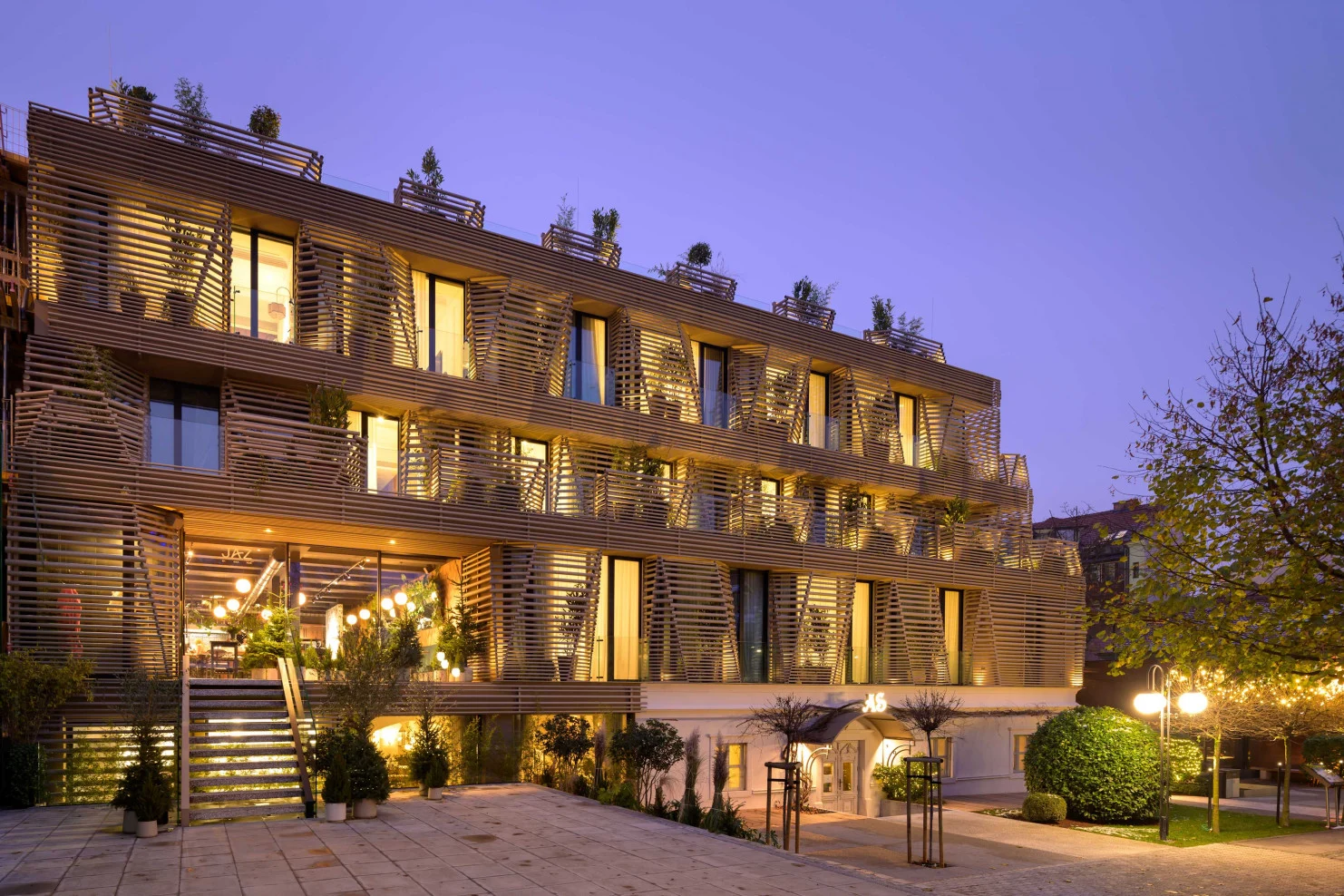
Top Boutique Hotel Plans: Professional Guide To Roi & Design
Top boutique hotel plans represent more than just architectural drawings; they serve as the foundational blueprint for high-margin, experiential hospitality assets. For a beginner, these plans define the aesthetic and physical boundaries of a small-scale lodging property. For the seasoned professional, however, they are a sophisticated mechanism for optimizing square footage, ensuring operational efficiency, and maximizing revenue per available room (RevPAR). These plans must balance the intimacy that boutique guests crave with the rigorous logistical requirements of a high-performance business.
The hospitality landscape has shifted significantly in recent years, moving away from cookie-cutter corporate designs toward localized, authentic experiences. This evolution makes the initial planning phase critical for long-term viability. Investors and developers now prioritize flexibility and storytelling within their structural layouts. A well-executed plan does not just provide a place to sleep; it creates a destination that justifies a premium price point. Understanding the interplay between design, finance, and guest psychology is essential for anyone entering this competitive space.
Success in this niche requires a meticulous approach to resource allocation and spatial programming. High-authority plans integrate front-of-house aesthetics with back-of-house functionality to prevent service bottlenecks. As developers look to scale unique concepts, the precision of the initial design determines how well the brand can replicate its “vibe” in different markets. This article examines the intricate details of developing these blueprints, from conceptual frameworks to financial key performance indicators.
Top Boutique Hotel Plans
The core essence of top boutique hotel plans lies in their ability to synthesize character with commerce. Think of these plans as a high-performance engine housed within a custom-designed vintage chassis. While the exterior and the interiors look artisanal and unique, the internal systems must function with the reliability of a major global chain. This duality is what separates a successful boutique venture from a simple hobbyist project. Professionals understand that every square foot must either generate revenue or facilitate the efficiency of the service staff.
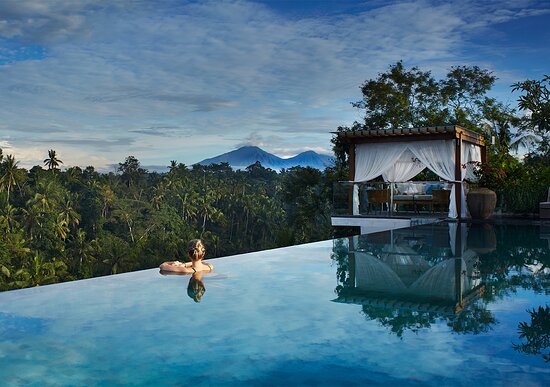
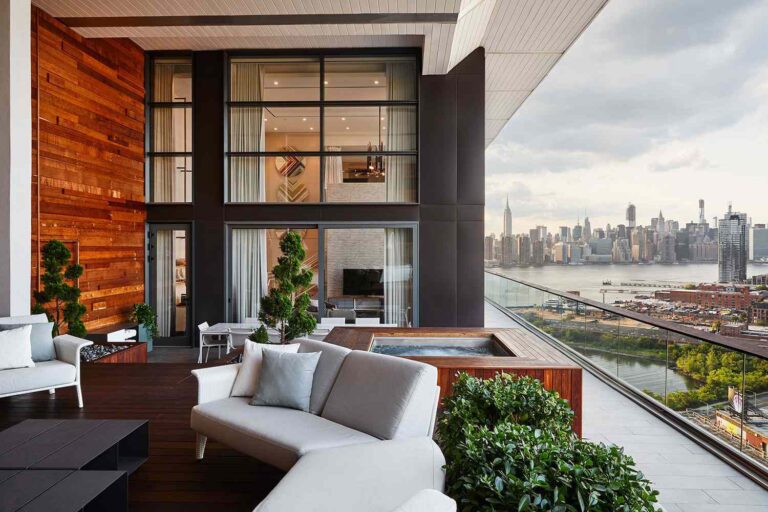
A common misunderstanding among laypeople is that “boutique” simply means “small.” In professional circles, boutique refers to a specialized service model where the environment is curated to a specific demographic. A plan for a 20-room rural retreat will look nothing like a plan for a 40-room urban industrial conversion. The former focuses on landscape integration and serenity, while the latter focuses on soundproofing, social hubs, and vertical efficiency. The “top” plans are those that correctly identify the primary guest motivation and build the entire physical structure around that single psychological hook.
Furthermore, these plans must address the “invisible” elements of hospitality. This includes the flow of laundry services, the acoustics between guest rooms, and the strategic placement of storage. If a guest sees a housekeeping cart blocking a narrow hallway, the boutique illusion is broken. Therefore, the strategic placement of service elevators and hidden corridors is just as important as the selection of high-end finishes. Mastery of these plans requires a “guest-first” perspective that never loses sight of the “owner-first” ROI requirements.
The Architecture Of Intimacy
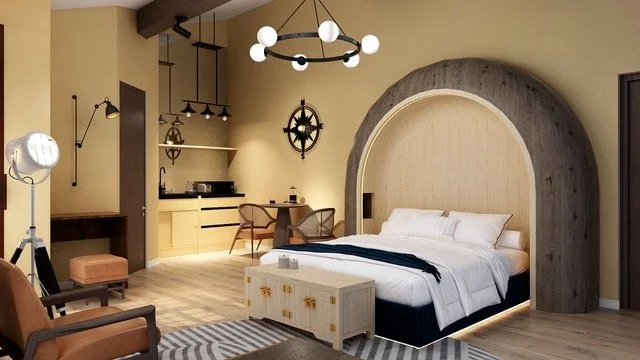
Intimacy is the primary product of any boutique hotel. This is achieved through clever spatial manipulation, such as creating alcoves in lobby areas or designing “nooks” within guest rooms. Unlike massive hotels that use open, echoing atriums, boutique plans use varied ceiling heights and localized lighting to create a sense of belonging. This architectural intimacy allows guests to feel like they are in a private residence rather than a commercial institution.
Operational Synergy In Design
Efficiency in boutique hotels often hinges on the distance staff must travel to fulfill guest requests. Top-tier designs minimize these transit times by placing service hubs centrally. For example, a shared prep area for both the lobby bar and the breakfast room can reduce staffing costs significantly. These synergies are baked into the floor plan long before the first brick is laid.
Evolution Of Boutique Planning Standards
The history of boutique hotels began as a reaction against the homogenization of the hospitality industry in the 1980s. Early pioneers sought to create properties that felt like stage sets or art galleries. During this era, the “old ways” of planning prioritized style over substance, often resulting in beautiful rooms that were impractical for daily cleaning or maintenance. Designers frequently overlooked the wear and tear that high-occupancy environments inflict on delicate materials.
Modern standards have evolved to embrace “durable luxury.” Developers now understand that a hotel is a machine that must be cleaned every 24 hours. The shift toward sustainable materials and modular construction has also influenced how top boutique hotel plans are drafted. Today, the focus is on longevity, energy efficiency, and tech integration. Guests expect high-speed connectivity and smart-room controls to be seamless, requiring architects to plan for extensive cabling and hardware housing without compromising the aesthetic.
Another significant shift is the “de-standardization” of the guest room. While traditional hotels used identical “keys” throughout the building, modern boutique plans often feature multiple room configurations. This variety allows the hotel to cater to different price points and guest needs, from solo business travelers to families. This complexity requires more sophisticated management but results in a more resilient business model that can weather shifts in travel trends.
Strategic Frameworks And Mental Models
Professionals use specific mental models to evaluate the effectiveness of a hospitality layout. One such framework is the “Service-Dominant Logic,” which posits that the physical hotel is merely a stage for the service being provided. When reviewing top boutique hotel plans, designers ask: “Does this layout facilitate a frictionless service interaction?” If a waiter has to walk 100 feet through a crowded lobby to deliver a drink, the plan has failed the service test.
Another framework is the “Experience Economy” model. This approach views the guest stay as a series of chronological touchpoints. The plan must guide the guest through a narrative arc, from the “reveal” upon entering the lobby to the “sanctuary” of the guest room. By mapping the guest journey physically on the blueprints, developers can identify areas where the experience might lag or feel disjointed. This prevents the error of spending too much on the lobby while neglecting the hallways or elevators.
For professional decision-makers, the “Unit of Value” framework is vital. This involves calculating the potential revenue of every square meter. If an oversized administrative office is taking up space that could be a revenue-generating cocktail bar, the plan is modified. This rigorous financial scrutiny ensures that the creative vision is always anchored by economic reality. It prevents “feature creep” where expensive but non-essential amenities drain the project’s budget.
Key Types And Approaches To Boutique Design
Boutique hotels are not a monolith; they fall into several distinct categories based on their location and target demographic. Urban boutiques often focus on “social density,” using small rooms but expansive, high-energy public spaces. Conversely, destination or “lifestyle” boutiques focus on the room as the primary experience, offering large floor plans with private outdoor spaces. Choosing the right type depends on the local market demand and the physical constraints of the site.
| Variation | Target Audience | Core Advantage | Trade-offs | Relative Complexity |
|---|---|---|---|---|
| Urban Social Hub | Young professionals, digital nomads | High F&B revenue; vibrant atmosphere | Small guest rooms; high noise levels | Moderate |
| Luxury Heritage | High-net-worth travelers, history buffs | High ADR (Average Daily Rate); unique story | Expensive restoration; rigid layouts | High |
| Wellness Retreat | Health-conscious travelers, couples | High guest loyalty; ancillary spa revenue | High operational costs; specialized staff | High |
| Eco-Boutique | Sustainable travelers, nature lovers | Low utility costs; strong brand PR | Remote locations; complex sourcing | Moderate |
When selecting among these variations, developers must consider the “Decision Logic” of their specific constraints. If the property is in a high-traffic city center, the Social Hub model usually yields the highest ROI due to the high volume of non-guest foot traffic in the bar and restaurant. However, in a quiet suburban or rural area, the Wellness or Heritage approach is more appropriate. Understanding the Best Luxury Accommodation Options: Professional Strategy Guide can help developers align their physical plans with market-leading standards for high-end hospitality.
Adapting To Local Zoning
Local regulations often dictate the limits of top boutique hotel plans. Height restrictions, parking requirements, and historical preservation laws can force creative solutions. A professional architect will use these constraints as design drivers rather than obstacles, often resulting in more interesting and unique building shapes that enhance the boutique feel.
The Role Of Communal Spaces
In modern boutique planning, the lobby is no longer a transit zone; it is a “living room.” This space must be multi-functional, serving as a coffee shop by day and a lounge by night. The design must allow for quick transitions in lighting and furniture layout to accommodate these different modes. This versatility maximizes the revenue potential of the ground floor throughout the entire day.
Real-world Scenarios And Applied Logic
Consider the scenario of converting a 1920s warehouse into a 30-room boutique hotel. The primary challenge in such top boutique hotel plans is the deep floor plate, which leaves many central areas without windows. A professional solution might involve creating an internal light well or an open-air courtyard. This decision has a second-order consequence: while it reduces the total number of rooms, it increases the value and ADR of the remaining rooms by providing them with unique views and natural light.
Another scenario involves a ground-up build in a coastal area. The plan must account for harsh weather conditions and salt-air corrosion. Here, the logic dictates using expensive, high-grade materials for the exterior. While the initial cost is higher, the maintenance costs over a ten-year cycle will be significantly lower. Professionals avoid the trap of “cheap” construction in high-stress environments because the downtime for repairs can destroy a hotel’s profitability.
In a saturated urban market, a developer might choose a “micro-boutique” strategy. These plans feature ultra-efficient rooms of only 150 square feet. The logic here is to sell sleep as a commodity while providing luxury-level communal spaces. This model relies on high occupancy and low cleaning times. The success of this scenario depends entirely on the precision of the built-in storage and the ergonomics of the room layout, where every inch is engineered for utility.
Balancing Privacy And Social Interaction
A frequent challenge in boutique design is managing guest privacy in intimate settings. Plans must ensure that social areas are lively without disturbing the quiet of the guest corridors. This is often achieved through “buffer zones,” such as libraries or galleries, that separate high-noise areas from sleeping quarters. Effective acoustic dampening is a non-negotiable feature in high-quality blueprints.
Technology Integration Without Obsolescence
Building a hotel that is “high-tech” can be a risk, as technology ages faster than architecture. Top plans focus on “future-proofing” by creating accessible cable runs and modular hardware mounts. This allows the property to upgrade its systems every few years without tearing down walls. The goal is to provide modern convenience while maintaining a timeless aesthetic.
Planning, Cost, And Resource Dynamics
Budgeting for boutique projects is notoriously complex because “custom” usually means “expensive.” Unlike chain hotels that benefit from economies of scale, boutique developers often source unique fixtures and furniture. This makes budget forecasting a critical skill. Professionals divide costs into “Hard Costs” (construction and physical structure) and “Soft Costs” (design fees, permits, and pre-opening marketing). Hidden costs often lurk in the infrastructure, such as upgrading old electrical systems or meeting modern fire codes in historic buildings.
| Category | Entry-Level Scenario | Professional Standard | Enterprise/High-End | Key Nuance |
|---|---|---|---|---|
| Design Fees | $50k – $150k | $200k – $500k | $750k+ | Boutique fees are often higher per-room than chains |
| FF&E per Room | $10k – $15k | $25k – $45k | $70k+ | Furniture, Fixtures, and Equipment quality drives ADR |
| Tech Infrastructure | Basic Wi-Fi/TV | Integrated PMS/IoT | Custom Guest Apps/Smart Glass | Poor tech planning leads to expensive retrofits |
| Contingency Fund | 5% of total | 10% – 15% | 20% for historic | Unforeseen site issues are common in unique builds |
Developing top boutique hotel plans requires a “Total Cost of Ownership” mindset. A cheaper HVAC system might save $100,000 during construction, but if it is noisy and results in guest complaints and refunds, it will cost the business millions over its lifespan. Professionals prioritize spending on things the guest touches (linens, faucets, handles) and things they hear (walls, pipes, AC units). Investing in the Best Luxury Accommodation Options: Professional Strategy Guide principles ensures that the budget is spent where it generates the most perceived value.
Tools, Strategies, And Ecosystems
Modern hospitality development relies on an ecosystem of specialized tools. Building Information Modeling (BIM) software is essential for coordinating complex boutique designs, especially when working within the irregular dimensions of historic structures. These tools allow architects, engineers, and interior designers to collaborate in a single 3D environment, reducing the risk of “clashes” where a pipe might interfere with a decorative beam.
Strategy-wise, “Property Management Systems” (PMS) are now integrated into the very fabric of the hotel’s plan. For example, keyless entry systems must be planned at the hardware level during the door-selection process. These systems are not just for convenience; they provide the data that allows owners to track guest preferences and optimize staffing levels. A boutique hotel is an information-rich environment, and the physical plan must support the hardware that captures this data.
The “Real Problem” these tools solve is the fragmentation of the guest experience. By integrating the tech stack with the physical layout, a hotel can provide personalized service that feels effortless. However, a “Hidden Limitation” is the dependency on constant connectivity. If the building’s “brain” goes down, the hotel must still be able to function manually. This means physical keys or override systems must be included in the master plan, regardless of how advanced the digital systems are.
Procurement And Supply Chain Management
Boutique hotels often rely on bespoke items that have long lead times. A delay in a custom chandelier shipment can push back the entire opening date, costing thousands in lost revenue. Successful developers use procurement software to track every single item in the “FF&E” (Furniture, Fixtures, and Equipment) list, ensuring that the construction schedule aligns with the delivery of the interior elements.
Marketing Integration In Design
In the digital age, a hotel’s plan must be “Instagrammable.” This is not a superficial requirement; it is a core marketing strategy. Designers create specific “moments” in the lobby or guest rooms that are framed for photography. By building these vignettes into the top boutique hotel plans, the property essentially recruits its guests as a volunteer marketing force.
Risk Landscape And Failure Modes
The risks in boutique hotel development are often structural or operational. A “Structural Error” might be a failure to properly soundproof rooms in a busy urban area, leading to a permanent ceiling on guest satisfaction. An “Operational Error” could be a kitchen layout that is too small to handle the breakfast rush, resulting in long wait times and poor reviews. These small errors compound over time, creating a systemic failure where the hotel cannot charge enough to cover its high overheads.
Human error is also a significant factor. If the plan is too complex or requires a high staff-to-guest ratio to function, it may become unsustainable in a tight labor market. To mitigate this, developers should conduct “operational walk-throughs” on the blueprints. This involves simulating a day in the life of a housekeeper, a chef, and a front desk agent to identify potential friction points. Neutral, practical mitigation involves simplifying the design where possible without losing the boutique character.
Risk taxonomy also includes “Market Risk,” where a design is too trend-focused. What looks modern and “hip” today may look dated in five years. Top boutique hotel plans avoid this by focusing on high-quality natural materials and classic design principles. While the “styling” (cushions, art, rugs) can be changed easily, the “bones” of the hotel should be timeless. This protects the asset’s value across multiple economic cycles.
Governance, Maintenance, And Sustainability
Static systems fail in the hospitality industry because guest expectations and building conditions are always in flux. A “Dynamic Adaptation” strategy involves regular audits of the physical space. Boutique hotels, with their unique materials and finishes, require more intensive maintenance than standard hotels. A marble floor or a hand-knotted rug requires specific cleaning protocols that must be established on day one. Maintenance is not just about fixing what is broken; it is about preserving the “new hotel” smell and feel that guests pay for.
- Quarterly audit of all guest room mechanical systems (AC, plumbing, smart controls).
- Bi-annual deep cleaning of all soft goods and textile wall coverings.
- Annual review of “high-touch” finishes for wear and potential replacement.
- Continuous monitoring of energy consumption to identify equipment efficiency drops.
- Regular “mystery shopper” stays to evaluate the property from a guest’s perspective.
Long-term mastery of a boutique asset involves understanding that the building is a living entity. Sustainability is not just about solar panels; it is about the “Sustain-ability” of the business model. This includes social sustainability, such as how the hotel interacts with the local community. Many successful boutique hotels integrate local artisans and food producers into their plans, creating a symbiotic relationship that enhances the guest experience and anchors the hotel in its location.
Measurement, Kpis, And Evaluation
Tracking the success of top boutique hotel plans requires a balance of financial and experiential metrics. “Leading Indicators” might include the pace of bookings for a new room type or the level of engagement on social media regarding specific design features. “Lagging Indicators” are the hard financial results, such as RevPAR, Average Daily Rate (ADR), and Net Operating Income (NOI). A professional developer uses these metrics to determine if the extra investment in custom design is actually yielding a higher return than a standard model.
Documentation is key to proving success. For instance, a hotel might report a 15% increase in F&B revenue after redesigning the lobby to be more “lounge-friendly.” Or, they might show that superior soundproofing led to a 20% reduction in “noise-related” guest refunds. These data points provide a clear narrative for stakeholders, demonstrating that design is a tool for profit, not just an aesthetic preference. Successful professionals translate “vibe” into “value” through rigorous reporting.
Conversion growth is another vital metric. If a website’s “Gallery” page has a high click-through rate to the “Booking” page, it indicates that the visual appeal of the hotel plan is effectively selling the property. In the boutique world, the image of the space is often the guest’s first interaction with the brand. Therefore, the architectural plan must be photogenic. Measuring the ROI of a “signature design element” (like a rooftop pool or a bespoke library) helps in planning future developments.
Common Misconceptions And Myths
One prevalent myth is that “boutique hotels don’t need marketing because they are unique.” The reality is that the more unique a property is, the more it needs to find its specific audience. Another misconception is that “custom design is always better.” In truth, some standard solutions—like bathroom plumbing layouts—are standard for a reason: they work. Forcing a “unique” solution for a standard problem often leads to maintenance nightmares.
Many beginners believe that “more amenities equal more luxury.” However, top boutique hotel plans often succeed by doing a few things perfectly rather than many things poorly. A hotel with no gym but a world-class breakfast and high-thread-count sheets often outranks a hotel that tries to include every possible facility in a small space. The myth of “all-inclusivity” can lead to cluttered, confusing plans that lack a clear identity.
There is also a myth that boutique hotels are “passion projects” that don’t follow strict business rules. In fact, because the margins can be tighter and the overheads higher, boutique hotels require even more rigorous financial management than large chains. The most successful boutique owners are those who treat their “passion” with the cold logic of an actuary. Understanding the nuance between a “luxury feature” and a “profitable feature” is the hallmark of a professional.
Ethical, Contextual, And Practical Limits
The pursuit of “unique” design must be balanced against ethical and practical constraints. Gentrification is a common “gray area” in boutique development; a new hotel can revitalize a neighborhood but also displace local residents. Ethical planning involves considering how the hotel serves the local community—perhaps by offering public access to its cafe or employing local staff at fair wages. Developers must also be aware of “sustainability theater,” where green features are used for PR but have little actual environmental impact.
Practically, there are times when a boutique approach is not the right choice. In high-volume transit hubs, like airports, guests often prioritize speed and reliability over “character.” In these contexts, the complexity of boutique service can actually be a deterrent. The constraints of the current era—including rising construction costs and labor shortages—mean that top boutique hotel plans must be more efficient than ever. You cannot design a hotel that requires 50 staff members if the local market can only provide 20.
Finally, there are the limits of the physical site itself. Not every old building is meant to be a hotel. Forcing a hospitality use onto a structure with poor egress or impossible plumbing can lead to a “sunk cost fallacy” where the developer keeps throwing money at a fundamental problem. Recognizing when a site’s constraints outweigh its “boutique potential” is a crucial professional skill. The best plans are those that work with the grain of the environment, the market, and the budget.
Conclusion
The development of top boutique hotel plans is a multidisciplinary challenge that requires a synthesis of architectural vision, operational expertise, and financial rigor. By moving beyond the superficial “look” of a property and focusing on the underlying systems of service and revenue, developers can create assets that are both culturally significant and highly profitable. The balance between “Judgment” (the creative spark) and “Systemic Process” (the logistical execution) is what defines excellence in this field. As the hospitality industry continues to evolve toward more personalized experiences, the importance of a meticulously crafted blueprint will only grow. A truly great hotel is not built on luck; it is built on a plan that accounts for every guest’s touch and every dollar’s movement.
Frequently Asked Questions
What Is The Average Size For A Boutique Hotel?
Boutique hotels typically range from 10 to 100 rooms. The “sweet spot” is often between 25 and 50 keys, as this allows for personal service while maintaining enough revenue to cover fixed operational costs like front desk staffing and security.
How Do Boutique Hotel Plans Differ From Branded Chain Hotels?
Branded chains follow strict “prototypes” to ensure consistency across locations. Boutique plans are site-specific and emphasize unique local character, varying room layouts, and high-energy social spaces that function as standalone revenue centers.
Is It More Expensive To Build A Boutique Hotel?
Generally, yes. On a per-room basis, boutique hotels often have higher “Hard Costs” and “Soft Costs” due to the lack of bulk-purchasing power and the need for custom architectural and interior design work tailored to a specific location.
How Can I Ensure My Boutique Hotel Plan Is Profitable?
Focus on maximizing revenue-generating space and minimizing non-productive areas. High F&B integration and a strong ADR (Average Daily Rate) strategy are essential. Every square foot must be evaluated for its contribution to either guest experience or operational efficiency.
What Are The Most Important Features In A Boutique Guest Room?
High-quality acoustics, lighting control, and high-end bathroom fixtures are the top priorities. Guests in boutique hotels value the “sanctuary” aspect of their room, so investing in comfort and privacy usually yields the highest return on investment.