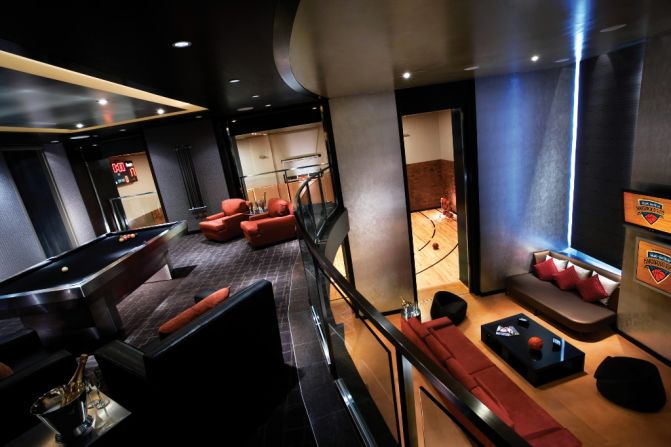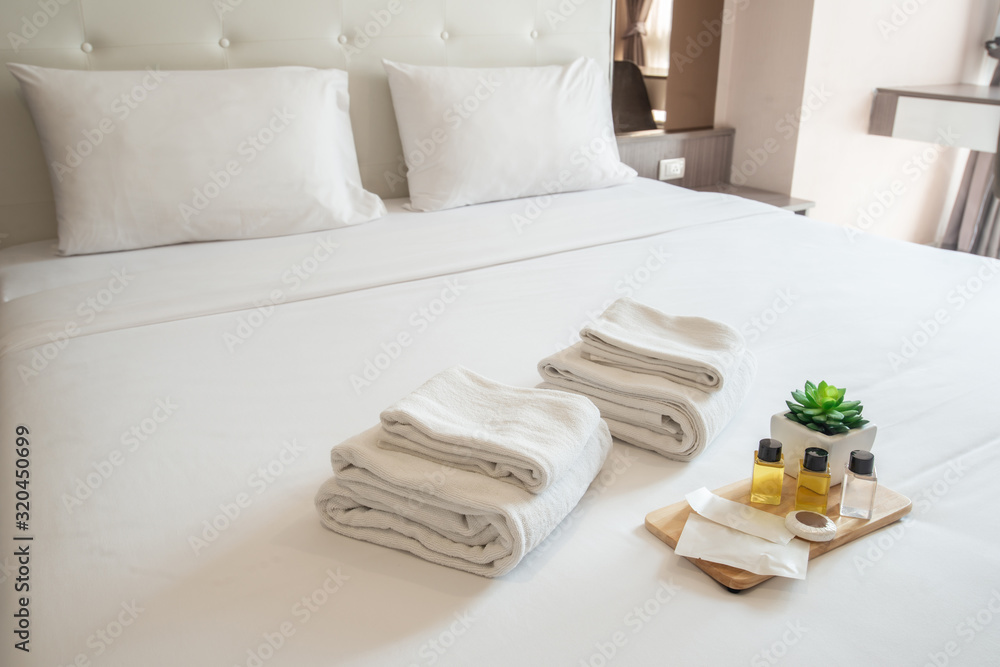
Hotel Amenity Selection Planning Tips For Global Hoteliers
Hotel amenity selection planning tips serve as the foundational blueprint for creating a guest experience that balances operational efficiency with genuine hospitality. In an era where traveler expectations are increasingly sophisticated, the process of selecting amenities transcends mere item procurement. It requires a strategic alignment between brand identity, logistical capacity, and the nuanced psychological needs of different guest personas.
For the aspiring hotelier, this discipline represents an introduction to the complex interplay of inventory management and sensory marketing. For the industry veteran, it is an exercise in refining margins while maintaining a competitive edge in a saturated market. Understanding the granular details of how an object or service impacts the guest journey is essential for long-term viability.
The scope of these initiatives extends from the tactile quality of linens to the invisible digital infrastructure that facilitates a modern stay. By viewing amenities as a cohesive ecosystem rather than a list of independent perks, operators can drive higher satisfaction scores. This holistic approach ensures that every resource allocated contributes meaningfully to the property’s overall value proposition.
Hotel Amenity Selection Planning Tips
At its core, the process involves a multidimensional analysis of utility, cost, and emotional resonance. To understand this concept, one might compare a hotel to a well-orchestrated theater production. The rooms and lobby are the stage, and the amenities are the props that enable the actors—the guests—to fulfill their intended narrative, whether that is a productive business trip or a restorative vacation.
A common misunderstanding in the professional sphere is the belief that more amenities necessarily lead to higher guest satisfaction. In reality, an overabundance of low-quality items can create physical clutter and mental friction. True mastery lies in the curation of “high-impact” touchpoints that address specific pain points in the guest journey without adding unnecessary complexity to the housekeeping workflow.
Strategic hotel amenity selection planning tips emphasize the importance of relevance over volume. A luxury property might prioritize bespoke fragrance profiles and artisanal bath products, while a mid-scale business hotel might find more value in high-speed connectivity and ergonomic workspace features. Both approaches are valid, provided they align with the guest’s primary motivations for choosing the property.
The Psychological Dimension Of Choice
Guests often perceive amenities as a proxy for how much a hotel values their patronage. A thoughtfully placed charging cable or a high-quality coffee maker acts as a silent communicator of care. Conversely, missing or poorly maintained items can signal a lack of attention to detail that undermines the entire brand experience.
Decision-makers must consider the “peak-end rule,” a psychological heuristic where people judge an experience largely based on how they felt at its peak and its end. Amenities offered during arrival or just before departure, such as a signature welcome drink or a convenient check-out gift, carry disproportionate weight in the guest’s final evaluation of the stay.
Operational Feasibility And Logistics
Planning is not limited to guest-facing benefits; it must also account for the back-of-house reality. Every new amenity introduces a new line item in the budget and a new task for the staff. If a selected item requires specialized cleaning or frequent replacement, the operational cost may eventually outweigh the perceived benefit to the guest.
Professional planners use these hotel amenity selection planning tips to stress-test their ideas against real-world constraints. They ask whether the housekeeping team can maintain the standard during peak occupancy. They evaluate the supply chain to ensure that replacement items are always available, preventing the “out of stock” scenario that frustrates guests.
Deep Context And Background
The history of hotel amenities has moved through several distinct phases, moving from basic necessity to extravagant excess and now toward purposeful sustainability. In the early days of modern hospitality, a clean room and a locked door were the primary offerings. Items like soap and towels were considered standard, with little variation between properties.
During the mid-20th century, the industry saw an explosion of brand-specific extras. This era introduced the “amenity wars,” where hotels competed by offering increasingly niche items, from branded stationery to shoe shine kits. While this helped differentiate brands, it also led to significant waste and a standardized “cookie-cutter” feel that eventually lost its luster for frequent travelers.
Modern standards have shifted toward personalization and environmental consciousness. Guests today are more likely to value a localized experience or a commitment to plastic-free products than a drawer full of plastic-wrapped plastic. The evolution of hotel amenity selection planning tips reflects this change, prioritizing items that tell a story or support a healthier lifestyle.
The Shift From Physical To Digital
One of the most significant historical shifts is the transition of amenities from the physical realm to the digital one. In the past, a massive television with premium cable was a major selling point. Today, a guest is more likely to value a high-bandwidth Wi-Fi connection and the ability to stream content from their own devices.
This shift has forced hoteliers to rethink their capital expenditure. Money that was once spent on physical media libraries is now invested in robust mesh networks and “smart” room controls. This transition represents a fundamental change in how “comfort” is defined in the contemporary hospitality landscape.
Sustainability As A Modern Mandate
Environmental impact has moved from a niche concern to a primary driver of selection logic. The “old way” involved single-use plastic bottles for every guest. Modern standards demand refillable dispensers and biodegradable materials. This shift is driven by both regulatory pressure and a genuine change in consumer preference.
Hotels that fail to adapt to these sustainability standards risk alienating a growing segment of the market. Furthermore, the long-term cost of waste management and the procurement of single-use items often exceeds the initial investment in high-quality, reusable systems. This realization is a cornerstone of modern hotel amenity selection planning tips.
Conceptual Frameworks And Mental Models
To navigate the complexity of amenity planning, professionals rely on established mental models. One such framework is the “Hierarchy of Guest Needs.” Similar to Maslow’s hierarchy, this model suggests that basic needs—cleanliness, safety, and sleep—must be perfectly satisfied before “delight” amenities like spa vouchers or gourmet snacks can have a positive impact.
Another useful model is the “Frictionless Journey.” This framework encourages planners to identify every point where a guest might experience a minor annoyance. If a guest has to search for a power outlet or wait ten minutes for hot water, the amenity strategy has failed. The goal is to use amenities to remove these small barriers to comfort.
The Value-to-friction Ratio
Every amenity carries a certain amount of “friction” for both the guest and the hotel. For the guest, friction might be a complicated coffee machine that requires a manual to operate. For the hotel, friction is an item that is difficult to source or clean. High-value amenities are those that provide significant guest satisfaction with minimal operational friction.
When applying hotel amenity selection planning tips, professionals evaluate the “VFR” of every potential addition. If a signature fragrance requires a complex HVAC integration that breaks down frequently, its value is diminished by its friction. Successful properties focus on high-impact, low-maintenance solutions.
Sensory Branding Theory
Sensory branding suggests that memories are most effectively formed when multiple senses are engaged. Amenity selection is a prime opportunity to activate sight, smell, touch, and even taste. A signature scent in the lobby or a specific texture of bathrobes can create a powerful, subconscious association with the brand.
Planners use this model to ensure a cohesive sensory experience. For example, a rustic mountain lodge should avoid sterile, clinical-smelling toiletries, opting instead for woodsy, organic scents. This alignment reinforces the guest’s “sense of place,” which is a key driver of loyalty and positive reviews.
Key Types Approaches And Nuances
The classification of amenities is more nuanced than a simple list of items. They can be categorized by their function: functional (essential for the stay), experiential (designed to delight), and defensive (provided to meet industry standards). Understanding these variations allows for a more balanced allocation of the budget.
Within these categories, there are further nuances. For instance, “wellness” amenities have expanded from a small gym to in-room yoga mats, air purification systems, and circadian lighting. Each variation serves a different segment of the market and requires a specific approach to procurement and maintenance.
| Variation | Target Audience | Core Advantage | Trade-offs | Relative Complexity |
|---|---|---|---|---|
| Essential Functional | Universal / All Guests | Ensures basic satisfaction | High volume, low margins | Low |
| Tech-Enabled | Business / Gen Z / Tech-Savvy | Modernizes brand image | Rapid obsolescence | High |
| Artisanal / Local | Leisure / Boutique Seekers | Builds “Sense of Place” | Inconsistent supply chains | Medium |
| Wellness-Focused | Health-Conscious / Luxury | Commands premium rates | Requires staff expertise | High |
| Sustainability-Led | Eco-Conscious / Corporate | Reduces long-term waste | Higher upfront investment | Medium |
Choosing the right path depends heavily on the specific constraints of the property. A 500-room airport hotel should prioritize “Essential Functional” and “Tech-Enabled” amenities to serve high-turnover guests. Conversely, a 20-room rural retreat would benefit more from “Artisanal” and “Wellness-Focused” items that capitalize on the property’s unique environment.
The “Decision Logic” follows a simple path: identify the primary guest motivation, assess the available budget, and filter choices through the lens of brand identity. These hotel amenity selection planning tips help avoid the trap of following trends that do not resonate with the property’s core demographic.
Real-world Scenarios And Decision Trees
Consider a boutique hotel in an urban center facing a decline in guest satisfaction scores regarding room comfort. The decision-maker must choose between upgrading the bedding or installing “smart” thermostats. A decision tree analysis would look at the data: are guests complaining about the temperature or the quality of sleep?
If the data points to sleep quality, the “bedding upgrade” is the logical choice. However, the second-order consequence is an increased laundry burden. Higher-quality linens may require gentler wash cycles or specialized pressing, which increases labor costs. The planner must decide if the boost in satisfaction justifies the operational shift.
Scenario: The Luxury Resort Pivot
A luxury resort wants to implement a new “plastic-free” amenity program. The initial decision is to replace all small toiletry bottles with large, wall-mounted ceramic dispensers. While this reduces waste, the second-order consequence is a potential perception of “cheapness” among high-end guests who expect individual items.
To mitigate this, the resort must select dispensers that feel premium—heavy, well-designed, and branded. They must also ensure that the product inside is of superior quality to the previous bottled version. In this scenario, the planning focuses on the “packaging of the transition” to maintain the brand’s luxury status.
Scenario: The Business Hotel Connectivity Gap
A business-focused property notices that guests are frequently asking for international power adapters. The decision is whether to sell them in the lobby or provide them as a room amenity. Providing them in-room increases the “care factor” but also the risk of theft or loss. A compromise might be a “borrow and return” system facilitated by the front desk.
The long-term outcome of this decision is a reduction in guest frustration and fewer negative mentions of “inadequate power” in reviews. By applying practical hotel amenity selection planning tips, the hotel creates a small but meaningful solution that reinforces its identity as a convenient hub for international travelers.
Planning Cost And Resource Dynamics
Financial planning for amenities involves more than the initial purchase price. The “Total Cost of Ownership” (TCO) includes shipping, storage, labor for distribution, cleaning costs, and eventual disposal. A seemingly inexpensive item like a branded pen can become a significant expense if the theft rate is high and the ordering process is inefficient.
Opportunity cost is another critical factor. Every dollar spent on a lavish welcome fruit basket is a dollar not spent on better Wi-Fi or a more comfortable desk chair. Strategic planners prioritize investments that have a longer “shelf life” or a higher frequency of guest interaction.
| Category | Entry-Level Scenario | Professional Standard | Enterprise/High-End | Key Nuance |
|---|---|---|---|---|
| Bath Products | Generic bulk dispensers | Co-branded medium bottles | Bespoke luxury fragrances | Labor cost vs product cost |
| In-Room Tech | Basic high-speed Wi-Fi | Casting-enabled TVs | Full room automation/AI | Bandwidth is non-negotiable |
| Bedding/Linens | 200-thread count poly-cotton | 300-thread count cotton | 600+ thread count Egyptian | GSM affects drying time |
| Food/Beverage | Instant coffee/tea bags | Pod-based coffee makers | Fresh bean-to-cup systems | Cleaning of machines is vital |
It is important to emphasize that “cheap” often leads to “expensive” in the long run. Low-quality towels fray faster and require more frequent replacement. Inexpensive electronics fail more often, leading to guest complaints and maintenance calls. Investing in the “Professional Standard” usually yields the best return on investment over a three-year cycle.
Resource dynamics also include the “Human Capital” required. If an amenity requires ten minutes of set-up time per room, and the property has 200 rooms, that is 33 hours of labor per day. Effective hotel amenity selection planning tips always include a labor-impact assessment to ensure the housekeeping team is not being set up for failure.
Tools Strategies And Ecosystems
In the modern landscape, amenity management is supported by a variety of software and logistical tools. Inventory management systems (IMS) allow properties to track usage rates and set “par levels” for reordering. This prevents both stockouts and the accumulation of excess “dead stock” that ties up capital in the storage room.
Procurement platforms provide access to a wider range of vendors, allowing for better price discovery and more sustainable sourcing options. These tools solve the real problem of vendor dependency, where a hotel is forced to accept high prices because they lack alternative suppliers. However, professionals must watch out for the “hidden limitation” of long lead times in global supply chains.
Guest Feedback Loops As A Planning Tool
The most important tool in the ecosystem is the guest feedback loop. Sentiment analysis software can scan hundreds of reviews to identify which amenities are being mentioned positively and which are being criticized. This data-driven approach removes the guesswork from the planning process.
Using hotel amenity selection planning tips, managers can correlate specific amenity changes with shifts in their Net Promoter Score (NPS). For example, if a hotel introduces high-quality hair dryers and sees a subsequent 5% increase in satisfaction among female travelers, the investment is validated by the data.
The Integration Of Third-party Services
Many modern amenities are actually partnerships with third-party brands. This might include a local coffee roaster providing the beans or a luxury skincare brand providing the toiletries. These ecosystems allow the hotel to “borrow” the prestige and quality control of established brands while reducing their own operational burden.
The hidden limitation here is a loss of control. If the third-party brand changes their formula or faces a PR crisis, the hotel’s reputation is also affected. Professional managers maintain strict Service Level Agreements (SLAs) to ensure that their partners continue to meet the property’s standards over the long term.
Risk Landscape And Failure Modes
The risk landscape of amenity selection is divided into structural, operational, and human errors. A structural error occurs when an amenity is fundamentally mismatched with the property’s infrastructure, such as installing high-pressure showerheads in a building with old plumbing. This leads to systemic failures that are incredibly expensive to fix.
Operational errors involve the failure to maintain the standard. An espresso machine that is never descaled will eventually produce poor coffee and break down. Human errors often occur at the point of delivery—housekeeping forgetting to replenish a specific item or failing to notice that a digital clock is showing the wrong time.
Small Errors And Systemic Failures
In hospitality, small errors often compound. A single dirty robe in a room suggests that the towels, sheets, and perhaps even the glasses might also be unclean. This “halo effect” of failure can destroy a guest’s trust in a matter of seconds. Amenities, because they are so tactile, are often the first place these failures are noticed.
Neutral, practical mitigations include a “Triple-Check” system for housekeeping and a robust preventative maintenance schedule. By treating amenities as equipment that requires regular servicing rather than just “stuff” that sits in a room, hotels can avoid the most common failure modes.
Supply Chain Vulnerabilities
A significant risk today is the fragility of global supply chains. If a hotel’s signature soap is manufactured in a region experiencing political or environmental instability, the entire amenity strategy is at risk. Diversifying suppliers and maintaining higher stock levels of critical “signature” items are essential risk management strategies.
Applying hotel amenity selection planning tips in this context means having a “Plan B” for every essential item. If the primary brand of coffee becomes unavailable, there should be a pre-approved alternative that fits the same quality tier and price point, ensuring the guest never experiences a dip in standard.
Governance Maintenance And Sustainability
Static systems in hospitality eventually fail because guest preferences and industry standards are constantly moving. A governance structure for amenities ensures that the property’s offerings are reviewed and updated on a regular cycle. This “Dynamic Adaptation” is what separates world-class hotels from those that slowly become outdated.
Maintenance is the silent engine of the amenity program. It involves the rigorous cleaning, testing, and replacement of items to ensure they are always in “day one” condition. Sustainability, meanwhile, is no longer an optional add-on; it is a core requirement for modern governance and long-term brand health.
- Monthly Review: Analyze guest feedback for trends and specific complaints related to amenities.
- Quarterly Audit: Physically inspect 10% of the room inventory for wear and tear on “hard” amenities like furniture and tech.
- Bi-Annual Vendor Assessment: Review pricing, quality, and delivery performance of all major suppliers.
- Annual Strategy Pivot: Assess the competitive landscape and decide which amenities to retire or introduce for the coming year.
- Weekly Inventory Count: Maintain strict par levels to prevent emergency orders and stockouts.
Focusing on preserving quality over time requires a documentation system that is easy for staff to follow. Standard Operating Procedures (SOPs) should include photos of what a “perfect” amenity setup looks like. This visual reference reduces the chance of human error and ensures consistency across different shifts and staff members.
Long-term mastery of hotel amenity selection planning tips also involves staying ahead of environmental regulations. As more regions ban single-use plastics, properties that have already transitioned to sustainable alternatives find themselves ahead of the curve, avoiding the stress of “compliance panics.”
Measurement Kpis And Evaluation
Tracking the success of an amenity program requires distinguishing between leading and lagging indicators. A leading indicator might be the number of guests who use a specific amenity during their stay, such as the gym or the in-room tablet. This provides an early signal of how well the item is being received.
Lagging indicators are the final results: the property’s overall satisfaction score, the frequency of repeat bookings, and the specific mention of amenities in online reviews. A professional proves success by showing a clear correlation between the introduction of an amenity and an improvement in these high-level metrics.
Documentation Examples
A reporting example might involve a “Cost-per-Occupied-Room” (CPOR) analysis. If a new premium pillow menu is introduced, the manager should track the increase in CPOR against the increase in “Sleep Quality” scores on guest surveys. This provides a clear, financial justification for the expense.
Another example is an “Amenity Utilization Report.” If data shows that only 2% of guests are using the in-room stationary, the property can confidently redirect that budget toward something more popular, such as high-quality reusable water bottles. This is the essence of data-driven decision-making.
Qualitative Indicators
Beyond numbers, qualitative feedback is invaluable. Reading the specific language guests use in reviews provides insight into the “emotional ROI” of an amenity. Words like “thoughtful,” “surprising,” and “delightful” indicate that the hotel amenity selection planning tips have been applied effectively to create a memorable experience.
Professional evaluators also look at “Social Currency”—how often guests are photographing and sharing an amenity on social media. In the modern era, a “grammable” bathroom or a unique welcome gift acts as free marketing, significantly increasing the total value of the amenity investment.
Common Misconceptions And Myths
One of the most persistent myths is that “more is always better.” This leads to rooms cluttered with items the guest doesn’t need, which actually reduces the sense of luxury and space. A curated selection of five high-quality items is always superior to a basket of twenty mediocre ones.
Another misconception is that amenities are just “free gifts” for the guest. In reality, every item is a carefully calculated component of the room rate. When guests take home small bottles of shampoo, they are essentially taking a part of the product they paid for. However, “hard” amenities like robes and umbrellas are property, and the myth that they are “souvenirs” can lead to significant shrinkage costs.
The “luxury Equals Expensive” Fallacy
Many beginners believe that a luxury experience requires high-cost items. However, luxury is often more about thoughtfulness and timing than the raw price of an object. A cold towel offered at the exact moment a guest arrives from a hot airport is a luxury experience that costs the hotel almost nothing but provides immense value.
The belief that “technology replaces service” is another dangerous myth. While digital amenities are important, they should enhance human interaction, not replace it. A guest who can’t figure out the “smart” lights will still need a human to help them, and the frustration caused by the technology can actually increase the workload for staff.
Myths About Sustainability
Some operators still believe that sustainable amenities are always more expensive or of lower quality. While this might have been true a decade ago, the market has matured significantly. Modern eco-friendly products are often indistinguishable from their traditional counterparts in terms of performance and can be more cost-effective over time due to reduced waste.
Finally, there is a myth that hotel amenity selection planning tips are only for new builds. In reality, existing properties can and should constantly evolve their offerings. A “refresh” of the amenity program is one of the fastest and most cost-effective ways to revitalize a tired brand without a full renovation.
Ethical Contextual And Practical Limits
The practice of amenity selection involves several “gray areas.” For example, the collection of guest data through smart room features raises privacy concerns. While knowing a guest’s preferred temperature is helpful, tracking their every movement within the room can feel invasive. Ethical planners prioritize transparency and guest consent.
There are also practical limits to how much a hotel can offer. Cultural context is vital; an amenity that is seen as a gesture of respect in one culture might be considered offensive or unnecessary in another. A global brand must balance its universal standards with local sensitivities to avoid alienating its guests.
When To Restrain Selection
One should not use a “high-tech” approach in an environment where guests specifically come to “unplug.” A wellness retreat in a remote forest should probably avoid in-room televisions and high-speed Wi-Fi in favor of journals, binoculars, and meditation aids. The constraint is the guest’s desired psychological state.
Labor constraints are another hard limit. If a property is struggling with chronic understaffing, it is irresponsible to introduce labor-intensive amenities like “room-service-only” breakfast or complex turndown rituals. The priority must always be the consistent delivery of basic services before adding layers of complexity.
The Boundaries Of Sustainability
While the push for “green” amenities is positive, “greenwashing” is a significant risk. Claiming to be sustainable while only making superficial changes—like removing plastic straws while still using individual plastic toiletry bottles—can damage a brand’s credibility. The limits of sustainability are often defined by the honesty and depth of the commitment.
Practical limits also include regional availability. It may be ethically desirable to source all amenities locally, but if the local economy cannot support the volume or quality required, the hotel must find a balance. The goal is to be as responsible as possible within the functional realities of the industry.
Conclusion
The successful implementation of hotel amenity selection planning tips requires a synthesis of rigorous data analysis and intuitive hospitality. It is a process that never truly ends, as it must respond to the shifting tides of technology, environmental awareness, and guest expectations. By focusing on high-impact, low-friction solutions, operators can create a sense of place and care that resonates long after the guest has checked out.
Ultimately, the balance between a systemic process and human judgment defines the quality of a hotel. A well-planned amenity program serves as the silent infrastructure of a great guest experience, facilitating comfort without demanding attention. True authority in this field comes from the ability to see the small object—the soap, the towel, the digital interface—as a vital thread in the much larger tapestry of global hospitality.
Frequently Asked Questions
How Often Should A Hotel Update Its Amenity Selection?
A full strategic review should occur annually, with minor adjustments based on guest feedback every quarter. This ensures the property stays aligned with evolving trends and maintains its competitive position.
What Is The Most Common Mistake In Amenity Planning?
The most common error is prioritizing volume over quality. Providing many low-quality items creates operational clutter and diminishes the guest’s perception of value, whereas a few high-quality items build trust.
Do Guests Actually Care About Sustainable Amenities?
Yes, data increasingly shows that a significant segment of travelers, particularly in the premium and corporate sectors, prioritize environmental responsibility and view sustainable amenities as a marker of a modern, ethical brand.
How Do You Balance High-end Amenities With A Tight Budget?
Focus on “high-touch” items that guests interact with frequently, such as bed linens and shower products. Invest in quality for these essential touchpoints and opt for simpler, functional solutions for less critical areas.
Are Digital Amenities More Important Than Physical Ones?
They are equally important but serve different needs. Digital amenities like fast Wi-Fi and streaming are now considered “foundational,” while physical amenities like high-quality towels provide the tactile comfort that defines a hospitality experience.