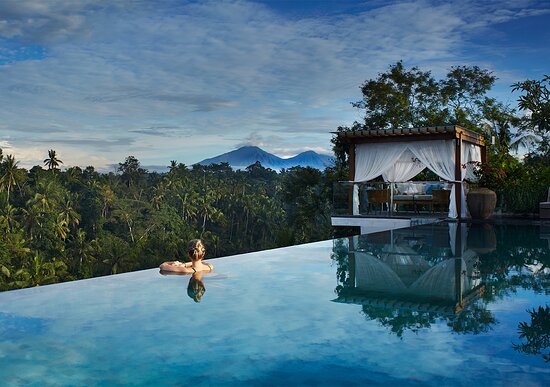
Best Luxury Accommodation Options: Professional Strategy Guide
Best luxury accommodation options represent the pinnacle of hospitality, where architectural precision, personalized service, and cultural immersion converge. For the modern traveler, these properties are more than mere places to sleep; they are curated environments designed to anticipate every need. For hospitality professionals, identifying and managing these assets requires a deep understanding of operational excellence and high-yield financial structures. This analysis explores the systemic components that transform a high-end building into a world-class lodging experience.
The global shift toward experiential travel has redefined the standards of the premium sector. Traditional markers of luxury, such as ornate lobbies or white-glove service, now coexist with digital integration and sustainable design. Navigating this landscape requires an analytical approach to both the tangible assets and the intangible service protocols that drive value. Understanding these nuances is essential for anyone looking to allocate resources effectively in the high-end travel market.
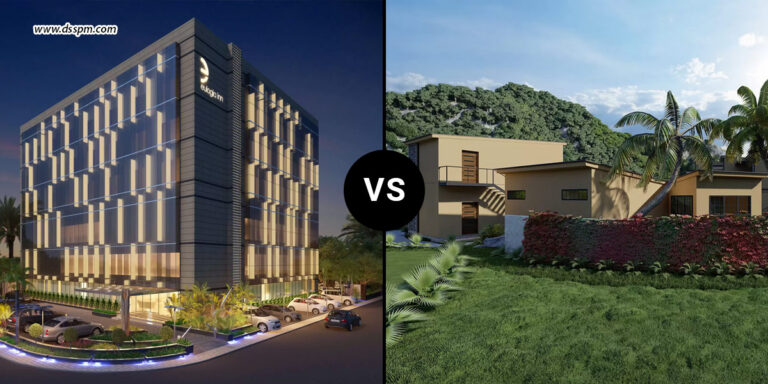
Practical complexity arises when balancing the demand for exclusivity with the need for operational scalability. While a boutique villa may offer unmatched privacy, a sprawling urban flagship provides the infrastructure necessary for global business travelers. Both must adhere to rigorous quality controls to maintain their standing in a competitive global economy. This guide provides a strategic framework for evaluating these properties from both a consumer and a professional perspective.
Best Luxury Accommodation Options: A Multidimensional Analysis
The core essence of the best luxury accommodation options lies in the concept of friction-less living. Imagine a masterfully conducted orchestra where every instrument is tuned to the same frequency, producing a harmonious sound without visible effort. In the context of a great hotel, this translates to service that is invisible yet omnipresent. When a guest never has to ask for a refill or wait for a check-in, the system is functioning at its highest level.
The Professional Perspective On Value
Professionals often view luxury accommodations through the lens of brand equity and operational efficiency. A common misunderstanding is that luxury is defined solely by the price point or the cost of materials. In reality, the true value is found in the reliability of the experience and the property’s ability to command a premium RevPAR (Revenue Per Available Room). Consistency across different geographic locations is a hallmark of a professional-grade luxury operation.
Defining The Modern Luxury Standard
Modern luxury has moved away from standardized “cookie-cutter” grandeur toward localized authenticity. The expectation is now centered on “sense of place,” where the design reflects the local culture while maintaining global standards of comfort. This shift requires a sophisticated approach to procurement and staffing. Professionals must ensure that local charm does not compromise the rigorous safety and service protocols expected by elite clientele.
The Evolution Of High-end Lodging
The best luxury accommodation options have undergone a significant transformation over the last century. In the early 20th century, luxury was defined by the “Grand Hotel” model, characterized by rigid social hierarchies and formal service. These establishments served as social hubs for the elite, where visibility was as important as comfort. The focus was on opulence, often at the expense of individual privacy or personalized technology.
From Opulence To Personalization
As travel became more accessible, the definition of luxury shifted toward personalization and privacy. The “old ways” of formal, stiff service were replaced by a more intuitive, empathetic style. Modern standards prioritize the guest’s time and psychological comfort. This evolution reflects a broader cultural change where status is expressed through unique experiences rather than just physical possessions.
The Impact Of Digital Integration
Technology has fundamentally changed the relationship between the guest and the property. In the past, high-end service required constant human interaction, which could sometimes feel intrusive. Today, the professional standard involves using data and technology to facilitate “silent service.” This allows guests to control their environment via mobile devices while staff use background systems to predict needs before they are voiced.
Strategic Foundations And Mental Models
To evaluate the best luxury accommodation options, one must apply specific mental models that go beyond surface-level aesthetics. One such framework is the Anticipatory Service Model. This model suggests that the highest form of service occurs when a need is met before the guest becomes aware of it. For a professional, this requires mapping out every potential “pain point” in a guest’s journey and designing a solution in advance.
The Sensory Branding Framework
Another critical heuristic is sensory branding, which examines how a property engages all five senses to create a lasting memory. Luxury is not just about what a guest sees; it is about the scent of the lobby, the texture of the linens, and the acoustic dampening in the hallways. Professionals use this framework to ensure that the environment remains consistent and high-quality at every touchpoint. This prevents the “sensory dissonance” that can occur when a beautiful room is marred by loud hallway noise.
Privacy As The Ultimate Commodity
In an increasingly connected world, privacy has become the most valuable luxury. Decision-makers must look at the physical and digital security of a property. This includes everything from the layout of the entrances to the encryption of the guest Wi-Fi. Understanding privacy as a core structural requirement helps professionals avoid the error of prioritizing social spaces over secluded retreats.
The Variation Matrix Of Luxury Types
Choosing among the best luxury accommodation options requires a clear understanding of the different categories available. Each type of property serves a specific purpose and target demographic. A boutique city hotel offers a different value proposition than a remote private island resort. Understanding these distinctions is crucial for both guests planning a stay and professionals managing a portfolio.
| Variation | Target Audience | Core Advantage | Trade-offs | Relative Complexity |
|---|---|---|---|---|
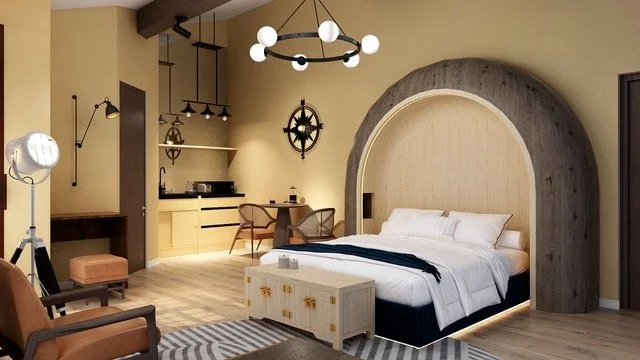
| Boutique Urban Hotels | Business Travelers & Stylists | Prime Location & Local Character | Limited Amenities (Spa/Pool) | Moderate |
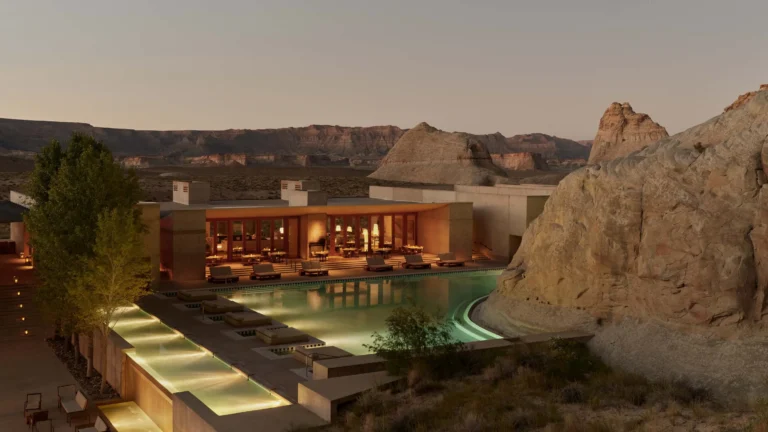
| Ultra-Luxury Resorts | High-Net-Worth Families | Comprehensive On-site Activities | Higher Cost of Operation | High |
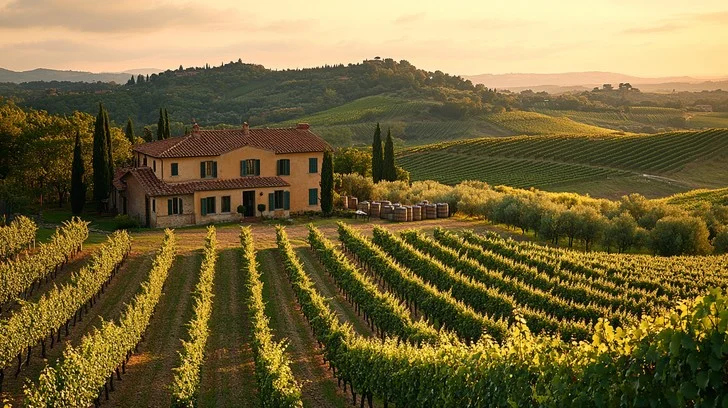
| Private Estates/Villas | Celebrities & Reclusives | Total Seclusion & Custom Staffing | Inconsistent Service Standards | Very High |
| Serviced Residences | Long-term Corporate Executives | Home-like Comfort & Kitchens | Less Frequent Social Interaction | Low to Moderate |
| Luxury Expedition Cruises | Adventurous Affluent Seniors | Access to Remote Destinations | Physical Space Constraints | Extreme |
Decision Logic For Property Selection
When selecting the best luxury accommodation options, the decision should be based on the primary objective of the trip. If the goal is professional networking, a high-end urban flagship with robust meeting facilities is optimal. However, if the objective is mental restoration, a remote wellness retreat with limited connectivity may be more appropriate. Professionals must guide clients or stakeholders toward the option that aligns with their specific resource constraints and desired outcomes.
Applied Logic In Real-world Scenarios
Practical application of luxury standards often reveals second-order consequences that are not immediately apparent. For instance, a property that prioritizes high-tech room controls may face technical failures that frustrate guests more than a manual system would. Decisions must be made with the long-term maintenance and reliability of the system in mind. Real-world scenarios help illustrate how these dynamics play out in practice.
Scenario: The High-profile Executive Meeting
A global corporation books a suite of rooms for a confidential negotiation. The best luxury accommodation options in this scenario are those that provide soundproof meeting rooms and discrete secure entrances. The second-order consequence of choosing a more “trendy” but less private hotel could be a breach of confidentiality. In this case, functional privacy outweighs aesthetic appeal.
Scenario: The Multigenerational Family Vacation
When planning for a large family, the complexity increases significantly. A resort must offer diverse programming that appeals to both children and seniors. Professionals look for properties with “interconnecting” logic in their room design. Choosing a property without these features leads to logistical friction and a lower overall satisfaction score for the group.
Scenario: The Long-stay Relocation
For individuals relocating to a new city, serviced luxury apartments offer a bridge between a hotel and a permanent home. The focus here shifts to neighborhood integration and functional utilities like laundry and kitchens. The risk here is the “loneliness of the long-term traveler,” which can be mitigated by properties that offer high-end concierge services to help with local integration.
Planning, Cost, And Resource Dynamics
Investing in or staying at the best luxury accommodation options involves a complex calculation of direct and indirect costs. Direct costs are easily identified, such as the nightly rate or the purchase price of the asset. However, hidden costs, such as service fees, staffing requirements, and maintenance, can significantly impact the final ROI. Professional resource allocation must account for these variables to ensure long-term sustainability.
| Category | Entry-Level Scenario | Professional Standard | Enterprise/High-End | Key Nuance |
|---|---|---|---|---|
| Staffing Ratios | 1 staff : 3 guests | 1.5 staff : 1 guest | 3 staff : 1 guest | Human capital is the primary cost driver. |
| Room Maintenance | Reactive Repairs | Scheduled Preventive | Continuous Renewal | Downtime for maintenance is lost revenue. |
| Technology Integration | Basic Wi-Fi/Smart TV | Integrated Room Controls | Custom Guest OS/AI Concierge | Obsolescence happens every 3-5 years. |
| Security Infrastructure | Standard Locks/Cameras | 24/7 On-site Guarding | Executive Protection Protocols | Security must be effective but invisible. |
The Hidden Cost Of Low-end Luxury
One of the most common mistakes is opting for “affordable luxury” that fails to deliver on service quality. This often leads to “expensive” outcomes in the long run, such as lost business opportunities or the need to switch accommodations mid-trip. Professionals understand that a higher upfront cost for a truly premium option often provides better value through reliability and time savings. True luxury is an investment in peace of mind.
The Professional Toolkit For Luxury Management
Managing the best luxury accommodation options requires a sophisticated ecosystem of tools and strategies. Enterprise-grade solutions are necessary to track guest preferences across multiple properties and ensure consistent service delivery. These tools are not just about automation; they are about providing staff with the information they need to deliver a personalized experience at scale.
Customer Relationship Management (crm) Systems
A robust CRM is the backbone of any luxury hospitality operation. It allows the property to store detailed guest profiles, including dietary restrictions, pillow preferences, and past feedback. The real problem this solves is the “loss of institutional memory” when staff members change. A professional system ensures that a returning guest is recognized and their preferences are met regardless of who is on duty.
Revenue Management And Dynamic Pricing
In the professional sphere, maximizing the value of a luxury asset requires advanced revenue management software. These systems analyze market demand, competitor pricing, and historical data to optimize rates. The hidden limitation is that aggressive pricing can alienate loyal guests. Professionals must balance the need for short-term profit with the long-term goal of maintaining brand prestige and guest loyalty.
Risk Landscape And Failure Modes
Operating or utilizing the best luxury accommodation options is not without risk. These risks can be categorized into structural, operational, and human errors. A failure in any of these areas can lead to a systemic breakdown in the luxury experience. Understanding these failure modes allows professionals to build safety nets and mitigation strategies into their planning.
Structural And Technical Failures
Structural risks involve the physical failure of the property, such as HVAC breakdowns, plumbing leaks, or elevator malfunctions. In a luxury setting, these are unacceptable and can lead to significant reputational damage. Practical mitigation involves a “redundancy strategy,” where critical systems have backups that can be activated immediately without guest intervention.
The Human Element And Service Consistency
Human error is the most common cause of failure in luxury hospitality. This can range from a missed wake-up call to a breach of guest privacy. These small errors can compound, creating a perception of incompetence. To mitigate this, professionals implement rigorous training protocols and “check-and-balance” systems where every guest interaction is verified by a supervisor or a secondary system.
Governance, Maintenance, And Sustainability
Mastering the best luxury accommodation options requires a commitment to long-term governance and maintenance. Static systems in luxury properties quickly become outdated or worn. Professionals must adopt a model of “Dynamic Adaptation,” where the property is constantly being updated to meet evolving standards. This includes physical renovations, staff retraining, and the adoption of new sustainability practices.
- Perform quarterly deep-cleaning and furniture refurbishment for every guest room.
- Conduct monthly service audits using “secret shoppers” to identify service gaps.
- Review and update digital security protocols and guest data encryption bi-annually.
- Evaluate energy efficiency and waste management systems for environmental compliance every year.
- Schedule annual intensive staff training sessions on cultural sensitivity and modern luxury trends.
The Sustainability Imperative
Sustainability is no longer an optional feature; it is a core component of long-term mastery in the luxury sector. Sophisticated guests increasingly demand that their accommodations minimize their environmental footprint. This requires a strategic shift from single-use plastics and high energy consumption to circular systems and renewable energy sources. This transition must be handled carefully to ensure that it enhances, rather than detracts from, the luxury experience.
Measurement, Kpis, And Evaluation
Tracking the success of the best luxury accommodation options involves analyzing both leading and lagging indicators. Lagging indicators, such as net profit or annual occupancy, tell you what happened in the past. Leading indicators, such as guest sentiment scores and staff engagement levels, provide a signal of future performance. Professionals use these metrics to make data-driven decisions that ensure the property’s long-term health.
Financial And Operational Kpis
The most critical financial metric in the luxury sector is GOPPAR (Gross Operating Profit Per Available Room). Unlike RevPAR, GOPPAR accounts for the high operational costs associated with luxury service. A professional property manager will also track the “Cost of Guest Acquisition” and “Guest Lifetime Value” to ensure that the business model remains sustainable. High turnover of guests can be a sign of a failing luxury brand, even if the rooms are full.
Measuring The Intangible Guest Experience
Quantifying the guest experience is challenging but necessary. The Net Promoter Score (NPS) is a common tool, but luxury professionals often go deeper into qualitative analysis. They might look at the “Mention Rate” of specific staff members in reviews or the frequency of “Unprompted Compliments.” These signals indicate that the service is exceeding expectations rather than just meeting them.
Common Misconceptions And Myths
Several myths surround the best luxury accommodation options, often misleading both consumers and industry newcomers. One of the most persistent myths is that “luxury” is synonymous with “gold-plated” or “expensive décor.” In reality, modern luxury is often understated and focuses on the quality of light, space, and air. An over-designed room can often feel cluttered and stressful rather than relaxing.
The Myth Of The 24/7 Butler
Many believe that luxury is defined by having a butler available 24/7. However, many high-end travelers find this level of service intrusive. The more accurate reality is that luxury is about the *option* of service. The best properties provide the guest with the ability to summon assistance instantly when needed, but otherwise respect their autonomy and space.
Misunderstanding “historic” As “luxury”
Just because a hotel is historic does not mean it meets modern luxury standards. Many old properties suffer from poor soundproofing, outdated electrical systems, and cramped bathrooms. A professional-grade historic luxury hotel is one that has been gut-renovated to provide modern infrastructure within a historic shell. Without this investment, the property is merely a heritage site, not a luxury accommodation.
Ethical, Contextual, And Practical Limits
There are practical and ethical limits to the use of the best luxury accommodation options. In certain geographic or social contexts, extreme opulence can be seen as tone-deaf or exploitative. Professionals must consider the local community and the environmental impact of their operations. There is also the limit of “diminishing returns,” where spending more on amenities no longer significantly improves the guest experience.
When To Avoid Luxury Options
A luxury approach may not be appropriate in scenarios where speed and efficiency are the only priorities. For a six-hour layover, a high-end luxury resort is a poor use of resources compared to a clean, efficient transit hotel. Similarly, in disaster recovery or extreme adventure contexts, the “luxury” of white linens and fine dining may be logistically impossible and ethically questionable.
The Constraints Of The Current Era
The current era is marked by labor shortages and supply chain disruptions. These factors place a hard limit on what even the best luxury accommodation options can provide. Professionals must be transparent with guests about these constraints. Over-promising and under-delivering is the fastest way to destroy a luxury brand’s reputation in a market where information spreads instantly.
Logic Synthesis And Conclusion
The best luxury accommodation options are complex systems that require a balance between human judgment and systemic processes. While technology and data provide the framework, it is the intuitive service and attention to detail that create a truly world-class experience. Success in this field is not a static achievement but a continuous process of adaptation and refinement. The most successful properties are those that understand that luxury is not an object to be possessed, but a relationship to be managed.
Achieving this level of excellence requires a commitment to quality at every level of the organization, from the investors to the housekeeping staff. By focusing on privacy, personalization, and operational reliability, these properties can continue to command a premium in an ever-changing global market. The future of luxury lodging will likely be defined by a deeper integration of sustainability and local authenticity, moving beyond traditional definitions of grandeur. Ultimately, the measure of a great hotel is its ability to provide a sanctuary that feels both extraordinary and effortlessly familiar.
Frequently Asked Questions
What Truly Defines The Best Luxury Accommodation Options Today?
The modern standard is defined by personalized, anticipatory service and a deep “sense of place” that reflects local culture while maintaining global standards of comfort and security. It is less about ornate decoration and more about the quality of the guest’s time and the removal of all friction from their stay.
How Can A Traveler Distinguish Between “real” Luxury And Marketing Hype?
Real luxury is revealed in the details that are not visible in photos, such as the quality of the soundproofing, the responsiveness of the concierge, and the consistency of the housekeeping. Checking independent reviews for mentions of specific staff names and service recovery experiences is often more telling than the property’s own photography.
Why Are Luxury Accommodations So Much More Expensive Than Standard Hotels?
The cost is primarily driven by human capital; luxury properties often maintain a staff-to-guest ratio of 2:1 or higher. Additionally, the costs of high-grade materials, frequent renovations, advanced security systems, and prime real estate locations contribute to the premium nightly rates required to sustain the operation.
Are Boutique Hotels Better Than Large Luxury Hotel Brands?
Neither is inherently better; they serve different needs. Large brands offer reliability, global loyalty programs, and extensive infrastructure, making them ideal for business travel. Boutique hotels often offer more unique design and intimate service, which may be preferable for leisure travelers seeking a one-of-a-kind experience.
How Is Technology Changing The Luxury Guest Experience?
Technology is being used to provide “invisible” service, such as digital keys, room controls via personal devices, and data-driven personalization. The goal is to use technology to enhance human interaction, not replace it, by giving staff the information they need to better serve the guest’s specific preferences.