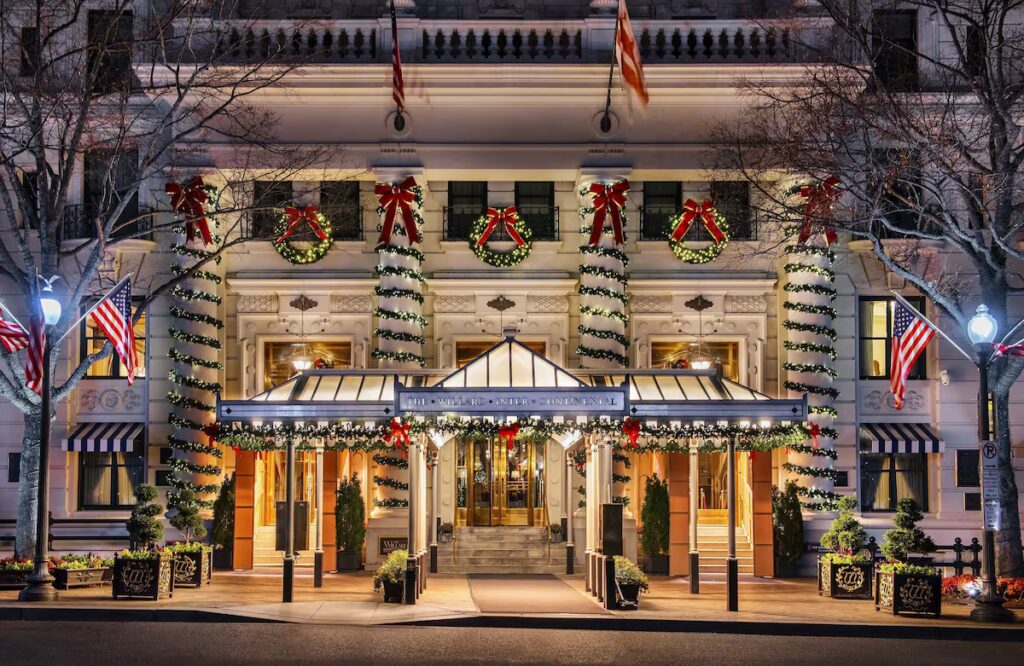
Best Historic Hotels United States: A Professional Guide
The best historic hotels united states offer more than just a place to sleep; they serve as living repositories of architectural achievement and social history. These properties represent the evolution of American hospitality from simple stagecoach stops to the grand resort era of the late nineteenth century. For the discerning traveler, these institutions provide a sensory connection to the past while maintaining the operational standards of the modern luxury market. Professionals in the hospitality industry view these heritage sites as complex operational entities that require a delicate balance between preservation and profitability.
Defining The Scope Of Heritage Hospitality
Heritage hospitality involves the stewardship of buildings that hold local, regional, or national significance. This field encompasses a wide range of architectural styles, including Art Deco, Beaux-Arts, and Victorian Gothic. Each style presents unique challenges for modern integration, requiring specialized knowledge of historical materials and construction techniques. Understanding the scope of this sector is essential for evaluating the long-term viability of a property.
Modern Trends In Historical Preservation
The current market shows an increasing preference for authenticity over standardized luxury environments. Travelers are increasingly seeking out narratives that connect them to a specific time and place. This shift has led to significant reinvestment in the restoration of iconic landmarks. Modern standards now emphasize the “invisible” integration of high-speed technology and climate control into historic frames.
Best Historic Hotels United States
The best historic hotels united states function as the cultural anchors of their respective cities. They are not merely old buildings, but curated environments where the “Core Essence” is the preservation of a specific era’s atmosphere. To understand this concept, one might compare a historic hotel to a functioning clockwork mechanism. Each antique detail must work in harmony with modern requirements to provide a seamless user experience.
Professional Interpretations Of Historic Value
Professionals often differentiate between “historic interest” and “historic integrity.” A building with historic interest might have hosted a famous event but lost its original features to renovation. Conversely, a property with historic integrity retains its original floor plans, materials, and design motifs. Misunderstandings often occur when guests expect the rigid uniformity of a modern franchise in a space designed for nineteenth-century social norms.
The Role Of Authenticity In Luxury
Authenticity is the primary currency of high-end historic properties. It involves more than just keeping the original facade of a building. It extends to the preservation of spatial proportions, communal areas, and even traditional service styles. In the best historic hotels united states, the guest should feel the weight of history without experiencing the discomforts of the past.
Strategic Challenges Of Legacy Infrastructure
Managing legacy infrastructure requires a proactive approach to maintenance. Many historic properties were built before the invention of modern plumbing or electrical systems. Retrofitting these buildings requires architectural sensitivity to avoid damaging protected structures. This strategic complexity is what defines the most successful heritage operations in the country.
Historical Evolution Of Quality And Standards
The evolution of quality in American hospitality began with the colonial inn and moved toward the grand “Palace Hotels” of the mid-1800s. These early institutions established the standard for luxury by introducing private bathrooms and electric lighting. Over time, the definition of a “great hotel” shifted from sheer opulence to a combination of personalized service and technological convenience.
The Gilded Age And The Rise Of Grandeur
The late nineteenth century saw the birth of many properties now considered the best historic hotels united states. This era focused on grand scale, intricate stonework, and expansive public ballrooms. These buildings were designed to be monuments to the wealth of the industrial revolution. They set a standard for architectural ambition that modern developers still find difficult to replicate.
Transitioning From The Old Ways To Modernity
In the mid-twentieth century, many historic hotels fell into disrepair as travelers favored the convenience of modern motor lodges. The “old ways” of formal dining and massive staff rosters became financially unsustainable. However, the late twentieth century brought a renewed appreciation for architectural heritage. This led to the creation of tax incentives and preservation societies that saved many iconic structures from demolition.
Why Outdated Assumptions Persist
Some travelers still assume that historic hotels are inherently less comfortable than new builds. This assumption often stems from past experiences with poorly maintained properties. Modern engineering has largely solved these issues, allowing for soundproofing and climate control that rivals new construction. Professionals now focus on debunking these myths through transparent communication about renovation cycles.
Strategic Foundations And Mental Models
When evaluating the best historic hotels united states, professionals use specific mental models to guide their decisions. These frameworks help stakeholders balance the competing demands of history, guest comfort, and financial performance. One such model is “Adaptive Reuse,” which focuses on how a building can serve a new purpose without losing its historical soul.
The Narrative Arc Model
This framework views a hotel stay as a story that begins at the front door. Every design choice, from the lobby carpet to the bedside lamp, should reinforce a coherent historical narrative. This helps guests stay grounded in the property’s unique identity. For a layperson, this model makes the experience feel intentional and immersive rather than cluttered.
The Authenticity Index
The Authenticity Index helps professionals measure how much of a property’s original character has been preserved. It looks at three main areas: structural integrity, material consistency, and cultural relevance. Higher scores on this index often correlate with higher guest loyalty and premium pricing. It prevents the error of over-renovating a space into a generic luxury box.
The Systemic Resilience Framework
Historic buildings must be viewed as living systems that require constant care. This model focuses on the long-term health of the building’s “envelope,” including the roof, walls, and foundation. By thinking systemically, owners can prevent small leaks or cracks from becoming catastrophic failures. This framework is essential for preserving the prestige of a legacy asset.
Categorizing The Varieties Of Historic Stays
The best historic hotels united states can be categorized into several distinct “flavors.” Each type offers a different guest experience and requires a different management approach. From Gilded Age mansions to colonial taverns, the variety reflects the diverse history of the American landscape.
Comparative Matrix Of Historic Hotel Types
| Variation | Target Audience | Core Advantage | Trade-offs | Relative Complexity |
|---|---|---|---|---|
| Grand Dames | Luxury Traditionalists | High-status branding | High overhead costs | High |
| Boutique Conversions | Millennial Professionals | Unique design | Limited amenities | Medium |
| Resort Landmarks | Families/Vacationers | Expansive grounds | Seasonal demand | High |
| Colonial Inns | History Enthusiasts | Intimate atmosphere | Smaller room sizes | Low |
The Logic Of Selection
Choosing the right type of historic stay depends on your primary goal. If the priority is a formal, high-prestige event, a Grand Dame hotel in a major city is the logical choice. For travelers seeking a modern twist on history, a boutique conversion in an old warehouse might be more appropriate. Constraints such as accessibility requirements and group size will often dictate the best historic hotels united states for a specific trip.
Navigating Regional Variations
The best historic hotels united states also vary by region. East Coast properties often focus on colonial or revolutionary history, featuring brickwork and timber frames. West Coast historic hotels are more likely to showcase Spanish Colonial or mid-century modern influences. Understanding these regional nuances helps travelers set appropriate expectations for their stay.
Applied Logic In Premium Scenarios
High-end lifestyles often revolve around the prestige associated with historic landmarks. For those seeking the best historic hotels united states, the experience begins with the arrival ritual. A valet taking a car in front of a 100-year-old portico sets a tone that modern hotels struggle to match. These premium experiences are defined by the “second-order consequences” of excellent service and architectural beauty.
The Multi-generational Family Gathering
Historic resorts are often the preferred choice for family reunions. The expansive common areas and on-site activities provide a sense of place that encourages bonding. When planning these stays, finding the right Top Family Suite Options: Professional Guide To Hotel Layouts is critical. Historic buildings often have unique room configurations that can accommodate large groups in ways modern hotels cannot.
The Executive Retreat
Corporate leaders often choose historic settings for high-stakes meetings. The gravitas of a wood-paneled boardroom can influence the tone of negotiations. These environments signal stability and longevity, which are valuable traits in the business world. The outcome of such a scenario is often a more focused and disciplined discussion.
The Cultural Enthusiast Experience
For those who travel to learn, a historic hotel serves as a primary source of education. Staying in a room once occupied by a president or a literary figure adds a layer of depth to the visit. The practical outcome is a heightened sense of cultural literacy. These guests often value the presence of an on-site historian or a curated archive.
Financial Realities Of Heritage Operations
The best historic hotels united states come with a unique set of financial dynamics. The direct costs of operating an old building are usually higher than those of a modern one. Opportunity costs also play a role, as historic designations may limit the ability to add new rooms or revenue-generating features.
Resource Dynamics And Cost Categories
| Category | Entry-Level Scenario | Professional Standard | Enterprise/High-End | Key Nuance |
|---|---|---|---|---|
| Room Rate | $150 – $250 | $350 – $600 | $800+ | Seasonal variance is high |
| Maintenance | Reactive repairs | Preventative cycles | Specialized restoration | Labor is often artisanal |
| Technology | Basic Wi-Fi | Invisible smart tech | Custom digital concierge | Must hide wires/hardware |
The Long-term Cost Of Short-term Savings
In the world of the best historic hotels united states, “cheap” often leads to “expensive.” Using substandard materials for a quick repair can lead to long-term structural damage. For example, using modern portland cement on historic lime-mortar brickwork can cause the bricks to crack over time. Professional operators understand that investing in quality materials and skilled labor is the only way to preserve value.
Revenue Per Available Room In Historic Contexts
Historic properties often command a higher Average Daily Rate (ADR) than their modern counterparts. This is due to the limited supply of truly authentic heritage spaces. However, the higher operating costs mean that profit margins must be managed carefully. Success is measured not just by top-line revenue, but by the efficiency of the preservation program.
The Professional Toolkit For Heritage Management
Managing the best historic hotels united states requires a specialized set of tools and strategies. These are designed to solve the “real problems” of legacy buildings, such as erratic temperature control and outdated floor plans. A professional toolkit combines modern software with traditional craftsmanship.
Property Management Systems For Non-standard Layouts
Standard hotel software is often designed for cookie-cutter rooms. In a historic hotel, every room might have a different size and layout. Professionals use advanced Property Management Systems (PMS) that allow for detailed room mapping. This ensures that guests are placed in a room that matches their specific needs, such as Top Family Suite Options: Professional Guide To Hotel Layouts that require extra square footage.
Hidden Limitations Of Modern Tools
While technology is helpful, it has limitations in a historic environment. Thick stone walls can block Wi-Fi signals, requiring the installation of numerous access points. Modern fire suppression systems must be installed without damaging ornamental plaster ceilings. Professionals must always watch out for the “installation footprint” of any new tool.
Integrating Heritage Into The Larger System
A historic hotel does not exist in a vacuum. It is often part of a local ecosystem that includes historical societies, tourism boards, and preservation experts. Successful managers integrate their property into these networks to gain access to grants and community support. This holistic approach ensures the hotel remains a relevant part of the city’s fabric.
Navigating The Risk Landscape
The best historic hotels united states face a unique set of risks. These can be categorized into structural, operational, and human errors. Because the buildings are old, small issues can quickly compound into systemic failures if they are not addressed immediately.
Structural And Operational Risk Taxonomy
Structural risks include foundation settling, roof leaks, and the degradation of historic materials. Operational risks involve the failure of outdated mechanical systems, such as steam heat or old elevators. Human errors often occur when staff are not properly trained to handle delicate furniture or architectural features. Understanding this taxonomy is the first step in building a safety net.
Compounding Failures In Legacy Systems
A failure in a historic building rarely happens in isolation. A small roof leak can lead to wood rot, which then compromises the structural integrity of a floor. In the best historic hotels united states, these compounding failures can be extremely expensive to fix. Neutral, practical mitigation involves regular inspections and a “deferred maintenance” budget that is never ignored.
Practical Mitigations Without Alarmism
Risk management should be a calm, analytical process. For example, installing water sensors in bathrooms can prevent catastrophic flooding in buildings with old pipes. Training housekeeping staff in basic conservation techniques can protect valuable antiques. These are practical steps that maintain the safety and prestige of the property without causing unnecessary alarm.
Long-term Mastery And Sustainability
Static systems fail in the hospitality industry because guest expectations are always changing. The best historic hotels united states require “Dynamic Adaptation” to remain successful over decades. This means finding ways to modernize the guest experience without compromising the building’s historical integrity.
Aesthetic Quality And Preservation Checklist
To preserve long-term desirability, operators must follow a rigorous maintenance cycle. This checklist ensures that the “prestige” of the property does not fade over time.
- Quarterly inspection of all exterior masonry and pointing.
- Biannual service of specialized historical elevators and mechanicals.
- Annual restoration of high-traffic wood and stone flooring.
- Regular audits of guest room technology to ensure “invisible” functionality.
- Cyclical training for staff on the history and significance of the property.
Preserving Relevance In A Changing Market
Sustainability in a historic context also means environmental sustainability. Many historic hotels are now implementing green energy solutions that do not alter the building’s appearance. This might include geothermal heating or high-efficiency windows that mimic original designs. Preserving relevance requires staying ahead of these trends while honoring the past.
The Cycle Of Master Planning
Long-term mastery involves a 10-year or 20-year master plan. This plan should outline major capital projects, such as roof replacements or ballroom restorations. By planning these projects in advance, owners can avoid the financial shock of emergency repairs. It also ensures that the best historic hotels united states continue to meet the standards of future generations.
Tracking Success With Indicators
A professional must be able to prove the success of a historic property to stakeholders. This requires a clear understanding of “Leading Indicators” and “Lagging Indicators.” Leading indicators are early signals of health, such as advance bookings and positive social media sentiment. Lagging indicators are the final results, like annual net profit and historical preservation awards.
Distinguishing Indicators For Heritage Assets
In the context of the best historic hotels united states, success is often measured by the “RevPAR Index,” which compares a hotel’s performance to its competitors. However, heritage properties also track “Guest Heritage Satisfaction.” This measures how well the hotel delivered on its historical promise. A professional uses these data points to build a comprehensive picture of performance.
Documentation And Reporting Examples
Reporting for a historic hotel often includes a “State of the Building” report. This document details all preservation work completed during the year. It also highlights any areas of concern that will need future investment. For a layperson, this report demonstrates that the hotel is being managed with professional rigor rather than just sentimental attachment.
Proving Success To Stakeholders
Stakeholders in the best historic hotels united states often include investors, local government, and preservation societies. To prove success, a manager must show that the property is both financially viable and historically sound. This balance is the hallmark of professional excellence in the heritage sector. Success is not just a high bank balance; it is a preserved landmark.
Common Misconceptions And Mitos
Several myths persist about the best historic hotels united states that can confuse both travelers and professionals. These myths often simplify complex realities into “all or nothing” statements. Filtering these misconceptions is essential for making informed travel or investment decisions.
The Reality Filter For Historic Properties
- Myth: Historic hotels are always more expensive. Reality: Many mid-range historic inns offer excellent value compared to new builds.
- Myth: You have to sacrifice technology for history. Reality: The best historic hotels united states often have better tech integration than generic brands.
- Myth: Old buildings are inherently unsafe. Reality: Historic buildings must meet modern fire and safety codes to operate.
- Myth: All furniture in a historic hotel is an original antique. Reality: High-traffic areas often use high-quality reproductions for durability.
- Myth: Historic status prevents any renovation. Reality: Preservation laws allow for modern updates if they are done sensitively.
- Myth: Heritage hotels are only for older travelers. Reality: Younger generations are the fastest-growing demographic for “authentic” travel.
Why These Myths Persist
Myths persist because they are often based on a grain of truth. For instance, a single poorly renovated “historic” hotel can create a lasting negative impression. Furthermore, marketing often leans into the “frozen in time” trope, which can mislead guests about the level of modern comfort available. Accuracy in hospitality requires a more nuanced view.
Ethical And Practical Boundaries
The consumption of luxury heritage experiences has social and cultural implications. The best historic hotels united states must navigate the “Gray Areas” of history, including the representation of all people who contributed to the building’s past. Ethical stewardship involves telling a complete and honest story of the property.
Social Impact And Cultural Responsibility
Historic hotels often occupy prominent positions in their communities. They have a responsibility to be good neighbors and to support local preservation efforts. Furthermore, the industry must address the environmental impact of maintaining large, old structures. This requires a balance of cultural responsibility and practical operational limits.
When To Avoid The Historic Approach
A historic hotel is not always the best choice. For high-volume conventions that require massive, identical rooms and specialized tech infrastructure, a modern convention center is usually more efficient. The best historic hotels united states are designed for character and intimacy, not raw scale. Knowing the constraints of the era helps avoid using the wrong tool for the job.
The Future Of Premium Consumption
As the world becomes more digital, the value of physical, historical spaces will likely increase. However, the boundaries of premium consumption will be defined by how well these spaces can adapt to a more conscious and diverse society. The future of the best historic hotels united states lies in their ability to be inclusive while remaining exclusive in their quality.
Logic Synthesis And Conclusion
The best historic hotels united states represent a sophisticated blend of systemic process and human judgment. Success in this field requires more than just a love for old buildings; it requires a commitment to the rigorous standards of modern luxury. From the technical complexities of Top Family Suite Options: Professional Guide To Hotel Layouts to the ethical considerations of historical narrative, every detail matters.
The balance between preservation and innovation is a delicate one. By using the mental models and professional toolkits discussed in this article, stakeholders can ensure these landmarks thrive for another century. Ultimately, the authority of a historic hotel comes from its ability to stand the test of time while providing a relevant, high-quality experience for the modern guest. True mastery of this sector involves recognizing that history is not a static object to be looked at, but a living foundation to be built upon.
Frequently Asked Questions
Are The Best Historic Hotels United States Accessible For People With Disabilities?
Yes, all historic hotels operating in the United States must comply with the Americans with Disabilities Act (ADA). While the structural layout of an old building can present challenges, professional operators use creative solutions like hidden ramps and modified elevators to ensure accessibility without compromising historical integrity.
Do Historic Hotels Allow Children And Families?
Most of the best historic hotels united states are very family-friendly and offer specialized programs for children. Many properties feature large suites and connecting rooms that are ideal for families. It is always recommended to check specific room layouts to ensure the historic dimensions meet your family’s needs for space and privacy.
Is It More Expensive To Stay In A Historic Hotel Compared To A Modern One?
Not necessarily. While ultra-luxury “Grand Dame” hotels can be expensive, many historic inns and boutique conversions offer rates that are competitive with modern chains. The value often comes from the unique amenities and the central locations that historic hotels typically occupy in older cities.
Can Historic Hotels Host Modern Tech-heavy Events?
Yes, many high-end historic properties have invested heavily in upgrading their ballrooms and meeting spaces with state-of-the-art audiovisual equipment. These upgrades are usually integrated into the architecture so they do not distract from the historical ambiance, providing a professional environment with a prestigious backdrop.
How Do I Know If A Hotel Is Truly Historic?
A truly historic hotel is usually a member of the Historic Hotels of America or listed on the National Register of Historic Places. These designations require the property to be at least 50 years old and to have maintained its architectural integrity. You can often find these credentials displayed on the hotel’s official website or in its lobby.