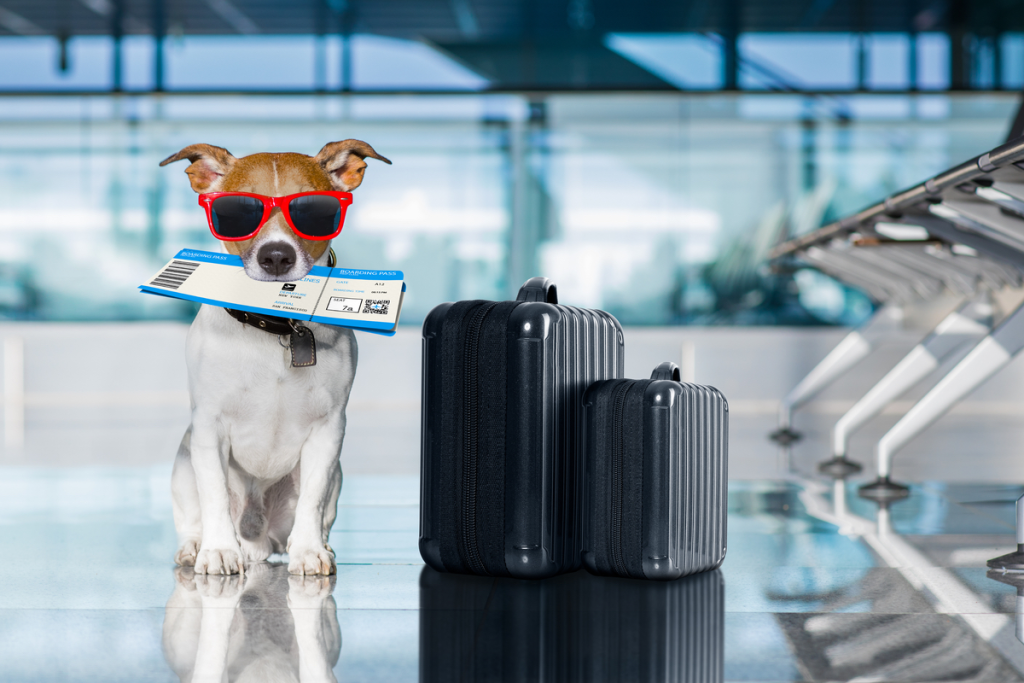
How To Manage Pet Travel Logistics: Professional Editorial Guide
How to manage pet travel logistics effectively requires a systematic approach to coordinating transportation, health documentation, and species-specific accommodation needs. Navigating these variables ensures that animals remain safe and owners remain compliant with shifting regional regulations. This complexity is particularly evident when balancing long-distance transit with the specific requirements of a great hotel or specialized boarding facility.
For the modern traveler, pet relocation is no longer a simple matter of finding a sturdy carrier. It involves a web of interconnected variables ranging from airline safety protocols to the microchip standards of destination countries. Professionals in the field view these logistics as a high-stakes supply chain where the cargo is sentient and sensitive to environmental fluctuations.
Establishing a robust strategy for pet transport helps mitigate the physiological stress placed on animals. Whether moving a domestic feline across state lines or transporting a high-value service animal internationally, the structural foundations of the journey must be sound. Failure to account for even minor details, such as water bowl design or ventilation clearance, can lead to significant operational delays.
How To Manage Pet Travel Logistics
Understanding how to manage pet travel logistics begins with viewing the process as a multi-stage operation rather than a single event. At its core, the practice involves synchronizing the biological needs of an animal with the rigid schedules of transport carriers and hospitality providers. It is the art of maintaining a consistent, safe environment across diverse geographic and regulatory landscapes.
An apt analogy for this process is the coordination of a high-value art shipment. Just as a painting requires climate control, specialized padding, and precise documentation to arrive intact, a pet requires a curated “envelope” of safety. This envelope must protect the animal from temperature extremes, noise pollution, and the physical shocks of movement while satisfying the legal requirements of every jurisdiction it crosses.
Common professional interpretations of these logistics emphasize the “Pre-Transit Phase” as the most critical period. Misunderstandings often arise when owners assume that a standard health certificate is sufficient for all destinations. In reality, the specific phrasing on a certificate or the timing of a rabies vaccination can determine whether a pet is granted entry or placed in a lengthy, expensive quarantine.
Effective management also requires a deep understanding of the equipment involved. A travel crate is not merely a box; it is a temporary life-support system. Understanding the IATA (International Air Transport Association) standards for crate size, ventilation, and structural integrity is a fundamental skill for anyone overseeing these logistics. These standards ensure the animal can stand, turn, and lie down in a natural position throughout the duration of the journey.
The Interplay Between Mobility And Comfort
Successful logistics management balances the speed of travel with the necessity of rest. While direct routes are generally preferred to minimize transit time, certain long-haul journeys require scheduled layovers. These breaks allow for hydration, waste relief, and a reduction in the animal’s cortisol levels before the next leg of the trip begins.
Professionals often look for specific amenities when selecting mid-journey stops. A property that offers Top Family Suite Options: Professional Guide To Hotel Layouts can provide the necessary floor space for a large dog to decompress without the confinement of a crate. This spatial consideration is vital for maintaining the animal’s behavioral health during extended travel periods.
Regulatory Compliance And Documentation Flow
Documentation is the “passport” for pet travel, and its management is often the most labor-intensive part of the logistics chain. From USDA-endorsed health certificates to specific airline “Fit to Fly” forms, the paperwork must be perfectly synchronized. Even a single day’s discrepancy in a vaccination window can invalidate the entire logistical plan.
Experienced managers maintain a digital and physical trail of all records. This includes microchip registration numbers, recent blood titer results, and detailed medical histories. Having these documents readily available ensures that transitions between carriers, customs officials, and hotel staff occur without friction or legal complication.
Deep Context And Background
The history of pet travel has shifted from a secondary consideration to a multi-billion dollar specialized industry. In previous decades, animals were often treated as standard cargo, with little oversight regarding temperature control or oxygen levels in transit. The “old ways” relied heavily on the owner’s luck and the informal goodwill of transport staff, often leading to inconsistent safety outcomes.
Modern standards were largely shaped by the introduction of the Animal Welfare Act and the refinement of IATA Live Animal Regulations. These frameworks shifted the focus from mere “containment” to “humane transport.” Today, specialized pet shipping companies use climate-controlled vehicles and GPS tracking to provide real-time updates on an animal’s status, reflecting a broader societal shift toward prioritizing animal welfare.
Outdated assumptions persist, such as the belief that sedation is a safe way to manage pet anxiety during flights. Modern veterinary medicine and airline policies now largely discourage or prohibit sedation due to the risks of respiratory and cardiovascular depression at high altitudes. The focus has moved toward behavioral conditioning and crate acclimation as the preferred methods for stress reduction.
Evolution Of Hotel Integration
The hospitality sector has similarly evolved to meet the demands of traveling pet owners. Previously, “pet-friendly” might have meant a begrudging allowance for a small dog in a smoking room. Modern standards at any great hotel now include dedicated pet concierges, specialized bedding, and even gourmet pet menus. This shift recognizes that pets are considered integral family members rather than mere accessories.
This evolution has changed how to manage pet travel logistics by adding more variables to the planning phase. Managers must now vet hotels not just for their policies, but for their actual infrastructure. This includes checking for the proximity of green spaces, the availability of 24-hour emergency veterinary contacts, and the soundproofing quality of the rooms to prevent noise-induced anxiety.
Conceptual Frameworks And Mental Models
To master the complexity of moving animals, professionals use specific mental models that help categorize risks and prioritize actions. One such framework is the “Triangle of Care,” which balances Physical Health, Environmental Safety, and Psychological Well-being. If any one of these vertices is neglected, the logistical integrity of the trip collapses.
For laypeople, this framework helps them see that a healthy pet (Physical) in a cheap, flimsy crate (Environmental) will likely experience extreme stress (Psychological), leading to health complications. For professionals, the model prevents decision errors like choosing a faster flight that has a dangerous tarmac temperature at the connection point.
The Redundancy Principle In Animal Transit
The Redundancy Principle is a core heuristic for high-stakes logistics. It dictates that every critical system must have a backup. In pet travel, this translates to having dual-identification (microchip plus physical tags), multiple copies of health records, and backup contact information for several veterinarians along the travel route. This model ensures that a single failure, such as a lost folder or a malfunctioning chip reader, does not derail the entire journey.
Applying this model allows for better contingency planning. If an airline suddenly cancels a flight, a redundant plan might include a pre-vetted ground transport service or a pet-friendly hotel nearby that can accommodate an unscheduled stay. This proactive thinking reduces the “panic factor” that often characterizes unplanned travel disruptions.
The Environmental Envelope Model
The “Environmental Envelope” model focuses on the micro-climate immediately surrounding the animal. This includes the air quality, temperature, and humidity within the carrier. Managers use this model to evaluate the impact of external factors, such as the time spent on a hot runway or the ventilation in a hotel room. By focusing on the envelope, logistics managers can make better decisions about which gear and routes provide the most stable environment.
Key Types Approaches And Nuances
Pet travel logistics vary significantly based on the species, the mode of transport, and the final destination. Managing a domestic cat on a three-hour drive is fundamentally different from shipping a brachycephalic dog on an intercontinental flight. These nuances require different types of specialized equipment and varied levels of veterinary involvement.
| Variation | Target Audience | Core Advantage | Trade-offs | Relative Complexity |
|---|---|---|---|---|
| In-Cabin Air Travel | Small dogs/cats and owners | Constant supervision by the owner | Strict weight/size limits; cabin noise | Moderate |
| Manifest Cargo | Large pets; international moves | Specialized animal handling staff | Higher cost; separation anxiety | High |
| Professional Ground Transport | Short to medium haul; nervous pets | Door-to-door service; frequent breaks | Slow transit time; higher relative cost | Low to Moderate |
| Private Pet Charter | High-value pets; multiple animals | Maximum safety and comfort | Extremely high cost | Very High |
Choosing the right path depends on specific constraints such as the animal’s age, health status, and temperament. A senior dog with heart issues might be a poor candidate for air travel but could thrive in a climate-controlled ground transport vehicle. The decision logic must prioritize the animal’s survival and comfort over the owner’s convenience or initial budget.
Species-specific Logistical Needs
Birds, reptiles, and small mammals represent a specialized subset of travel logistics. These animals often have extremely narrow temperature tolerances and require specific humidity levels. Managing their travel involves sourcing specialized carriers that can accommodate heating pads or specialized lighting while remaining secure and ventilated. Furthermore, CITES (Convention on International Trade in Endangered Species) regulations may apply to certain exotic pets, adding a layer of international legal complexity.
Real-world Scenarios And Decision Trees
Scenario analysis allows travelers to visualize potential failure points and develop response strategies. Consider a situation where a pet’s flight is delayed by six hours during a heatwave. The initial decision—whether to proceed or rebook—has second-order consequences. Proceeding might risk heat exhaustion, while rebooking requires finding immediate climate-controlled housing and updating the arrival logistics at the destination.
In another scenario, a traveler arrives at a great hotel only to find the “pet-friendly” room is located next to a noisy elevator. For a reactive dog, this environment could lead to excessive barking, potentially resulting in an eviction or additional fees. The immediate recovery step is to request a room on a quiet floor or a corner unit, which highlights the need for a deep understanding of Top Family Suite Options: Professional Guide To Hotel Layouts when making reservations.
Managing Missing Paperwork At Customs
One of the most stressful scenarios is an error in documentation discovered at an international border. If an endorsement stamp is missing, the animal could be seized. The logistical response involves having a pre-established contact with a local customs broker and an emergency veterinary clinic. Successful recovery in this situation depends entirely on the digital “redundancy” of the owner’s records.
Furthermore, managing these logistics often involves dealing with unexpected health issues mid-transit. If a pet becomes ill, the decision tree must lead to the nearest pre-vetted emergency vet. This proactive research ensures that the animal receives care immediately, preventing a minor ailment from becoming a life-threatening crisis during a long journey.
Planning Cost And Resource Dynamics
Budgeting for pet travel is frequently underestimated because owners focus on the “ticket price” rather than the “total cost of safety.” Direct costs include crate purchase, airline fees, and vet visits. However, hidden costs such as mandatory quarantine fees, specialized diet sourcing in a new city, and potential cleaning deposits at a great hotel can significantly inflate the total expenditure.
| Category | Entry-Level Scenario | Professional Standard | Enterprise/High-End | Key Nuance |
|---|---|---|---|---|
| Travel Crate | $50 (Standard plastic) | $250 (IATA-compliant metal) | $1,000+ (Custom-built) | Ventilation is non-negotiable |
| Documentation | $100 (Local vet cert) | $500 (USDA endorsement) | $2,500+ (Full relocation concierge) | Timings vary by country |
| Transportation | $150 (Domestic carry-on) | $1,200 (Manifest cargo) | $10,000+ (Private charter) | Cargo isn’t always “cheaper” |
It is important to emphasize that “cheap” often leads to “expensive” in the long run. A low-quality carrier that breaks during transit can lead to animal injury, escape, or the need for emergency replacement at a premium price. Investing in high-quality resources upfront is a risk-mitigation strategy that protects both the pet and the travel budget.
Operational Waste In Pet Logistics
Resource dynamics also involve cutting operational waste, such as over-packing pet supplies that are easily sourced at the destination. Efficient logistics focus on carrying critical items—such as prescription medication and a familiar blanket—while utilizing delivery services for bulky items like litter or standard kibble. This reduction in physical bulk makes navigating airports and hotels significantly easier for the owner.
Tools Strategies And Ecosystems
The professional toolkit for how to manage pet travel logistics has expanded into the digital realm. Mobile apps now allow for real-time tracking of humidity and temperature inside a crate via Bluetooth sensors. These tools solve the “Real Problem” of owner anxiety by providing objective data during periods of separation. However, a “Hidden Limitation” is that these devices often lose connectivity inside metal aircraft holds, meaning they are best used for ground transport or in-cabin monitoring.
Strategies for successful integration involve more than just hardware. They require an ecosystem of support, including pet-friendly transportation networks and reliable veterinary databases. A successful logistics manager knows how to integrate these tools into a larger system that prioritizes the animal’s comfort at every touchpoint. This might include using “calming pheromone” diffusers in a crate and pairing them with a pre-arrival request for the same scent at a great hotel.
Acclimatization As A Logistical Tool
One of the most effective strategies is crate conditioning. This is a long-term process where the animal begins to view its travel carrier as a “safe zone” weeks or months before the journey. By treating the crate as a piece of furniture rather than a “travel box,” the animal’s baseline stress level remains lower during the actual logistics phase. This reduces the risk of self-injury or panic-induced illness during the trip.
Risk Landscape And Failure Modes
The risk taxonomy of pet travel can be divided into structural, operational, and human errors. A structural failure might be a crate door latch that shears off under pressure. An operational failure could involve an airline staff member leaving a pet on a tarmac for too long. Human errors often involve incorrect dates on health certificates or forgetting to attach “Live Animal” stickers to the carrier.
Small errors in this field tend to compound. For example, a minor clerical error on a microchip record might not seem critical until a pet is lost in a foreign country. Without a verifiable chip record, the legal process for reclaiming the animal becomes infinitely more complex, potentially leading to permanent separation. Practical mitigation involves triple-checking every data point before departure.
Biological And Environmental Risks
Beyond logistics, biological risks such as exposure to local diseases (like heartworm or Leishmaniasis) must be managed. Researching the endemic health risks of the destination allows for proactive preventative treatment. Environmental risks, such as high-altitude sickness or extreme cold, must also be countered with appropriate gear and timing. These risks are not just theoretical; they are the most common causes of animal distress during travel.
Governance Maintenance And Sustainability
Static systems in pet travel often fail because regulations and animal health are dynamic. What worked for a puppy three years ago will not work for a senior dog today. Masterful management requires “Dynamic Adaptation”—the ability to update one’s strategy based on the animal’s changing needs and the shifting landscape of airline and hotel policies.
Maintaining high standards over time requires a disciplined review cycle. Long-term travelers or those who move frequently should follow a structured checklist to ensure their logistics remain sustainable and safe:
- Quarterly inspection of all travel crates for structural stress and latch integrity.
- Bi-annual verification of microchip functionality at a veterinary clinic.
- Annual review of international transport regulations for frequently visited regions.
- Continuous monitoring of the pet’s physiological response to short-distance travel.
- Regular updates to the emergency contact list for veterinarians and pet shippers.
Sustainability in this context also refers to the animal’s ability to recover from the stress of travel. Logistics must include “down days” where the pet can rest in a quiet environment without the stimulation of travel. This preservation of health is what separates a successful move from a traumatic ordeal.
Measurement Kpis And Evaluation
Tracking the success of how to manage pet travel logistics involves both leading and lagging indicators. A “Leading Indicator” might be the animal’s heart rate during crate training or the speed at which paperwork is approved by the USDA. These signals provide an early warning of potential issues before the journey even begins.
A “Lagging Indicator” is the animal’s behavior and health upon arrival. If a pet resumes normal eating and sleeping patterns within 24 hours of reaching a great hotel, the logistics can be considered a success. Conversely, prolonged lethargy or digestive upset indicates a breakdown in the travel envelope that needs to be addressed for future trips.
Reporting And Documentation Examples
Professionals often maintain “Travel Logs” that document the animal’s intake and output, behavior, and environment at every stage of the journey. For example, a log entry might record: “14:00 – Temperature in crate 72F; water bowl refilled; animal calm.” This level of detail allows for a post-journey analysis that can help refine future logistical plans and prove the quality of care to other stakeholders.
Common Misconceptions And Myths
A prevalent myth is that sedation is the best way to keep a pet calm. As previously mentioned, this is often dangerous and widely discouraged by experts. Another misconception is that any “pet-friendly” hotel is suitable for all animals. In reality, some properties have weight limits, breed restrictions, or lack the spatial layout required for large crates, making it essential to research Top Family Suite Options: Professional Guide To Hotel Layouts before booking.
Many beginners also believe that “cargo” is synonymous with “luggage.” In high-quality logistics, manifest cargo for animals is handled by specialized staff in climate-controlled environments that are entirely separate from the standard suitcase hold. Understanding the difference between these tiers of service is vital for making informed decisions about pet safety.
- Myth: Pets should not eat for 24 hours before a flight. (Reality: A light meal 4-6 hours prior is usually recommended).
- Myth: All microchips are readable worldwide. (Reality: ISO-compliant chips are the international standard).
- Myth: A great hotel always provides pet supplies. (Reality: Always bring your own essentials to maintain consistency).
- Myth: Airline staff will always walk your dog during layovers. (Reality: You must specifically book and pay for “comfort stops”).
- Myth: Small pets don’t need much ventilation. (Reality: Airflow is critical for temperature regulation regardless of size).
Ethical Contextual And Practical Limits
There are ethical limits to how to manage pet travel logistics. Some animals, due to extreme age, illness, or breed-specific respiratory issues, should simply not fly. Managing logistics also means knowing when to say “no” to a particular route or mode of transport. The ethical choice often involves choosing a longer, more expensive ground route over a risky air journey.
Practical limits are often dictated by the current era’s climate. With increasing global temperatures, many airlines have “blackout dates” for pet travel during summer months. These constraints are not obstacles to be bypassed; they are safety boundaries designed to protect the animal’s life. Respecting these limits is a hallmark of professional-grade logistical management.
Conclusion
Mastering how to manage pet travel logistics is a continuous exercise in foresight, precision, and empathy. By integrating rigorous documentation, high-quality gear, and an understanding of the animal’s biological needs, travelers can navigate even the most complex journeys with confidence. The balance between a systemic process and the flexible judgment required for real-world scenarios ensures that the “cargo” arrives not just at its destination, but in optimal health and spirit. True authority in this field is found not in avoiding risks, but in building the robust frameworks necessary to manage them effectively.
Frequently Asked Questions
How Early Should I Begin The Logistical Planning For International Pet Travel?
You should begin at least six months in advance. Many countries require rabies titer tests, which have a mandatory waiting period of 90 to 180 days before entry is permitted.
What Is The Most Important Feature Of A Travel Crate?
Ventilation and structural security are paramount. The crate must have openings on at least four sides for international travel and must be secured with metal bolts rather than plastic clips.
Can I Use A “great Hotel” As A Permanent Solution During A Long-term Relocation?
While hotels provide excellent short-term accommodation, they lack the stability of a home environment. Use them as high-quality transition points rather than permanent housing for pets.
How Do I Handle My Pet’s Anxiety Without Using Medication?
Focus on behavioral conditioning through crate training and the use of familiar-smelling items. Pheromone sprays and high-value treats can also help create a positive association with the travel environment.
What Happens If My Pet’s Microchip Cannot Be Read At The Border?
You should always carry your own universal microchip scanner if your pet has a non-standard chip. If the chip is unreadable, you may be denied entry or the pet may be quarantined until identification is established.