Grand Hotel Architecture Guide: A Professional Resource
This grand hotel architecture guide serves as a comprehensive resource for architects, developers, and enthusiasts seeking to understand the intricate structural and aesthetic principles that define iconic hospitality landmarks. The design of a grand hotel is rarely a simple exercise in building construction; rather, it is the creation of a self-sustaining ecosystem that balances monumental public presence with intimate private sanctuary. Professionals in the field recognize that these structures must function as both civic monuments and highly efficient machines for service delivery.
The scope of this guide encompasses the historical precedents of the palace-hotel era and transitions into the technological requirements of the modern high-end hospitality market. We examine the spatial hierarchies that allow for seamless guest movement while concealing the vast logistical operations occurring behind the scenes. By exploring these dimensions, both students and veterans can gain a deeper appreciation for the rigor required to execute a truly great hotel project.
Current systemic shifts in the industry emphasize a return to “experiential permanence,” where durability and timelessness are valued over fleeting design trends. This guide addresses these shifts by providing a taxonomic breakdown of architectural styles and operational frameworks. Understanding these foundations is essential for ensuring that a property remains relevant and profitable across several decades of service.
Grand Hotel Architecture Guide
The core essence of a grand hotel can be best understood through the analogy of a city within a single building. Just as a city requires a central plaza, specialized districts, and hidden infrastructure, a grand hotel organizes various functions—dining, sleeping, wellness, and commerce—into a cohesive whole. This grand hotel architecture guide highlights how these disparate parts are unified by a singular aesthetic vision and a rigorous attention to detail.
Professional interpretations of “grandeur” often focus on the volume of space and the quality of materials, but misunderstandings frequently occur regarding the scale of these elements. A common error is assuming that larger spaces automatically equate to luxury. In reality, the most successful architectural examples prioritize “human-scale” transitions within monumental volumes to prevent guests from feeling overwhelmed or disconnected from their surroundings.
The architectural strategy must account for the psychological journey of the guest, starting from the moment of arrival at the curb. The grand hotel serves as a theatrical stage where the guest is both the spectator and the protagonist. This duality requires architects to design spaces that are visually arresting yet operationally invisible, ensuring that the heavy lifting of service does not disrupt the illusion of effortless hospitality.
In addition to aesthetic considerations, the structural integrity and environmental adaptability of these buildings are paramount. A grand hotel architecture guide would be incomplete without discussing the necessity of robust MEP (Mechanical, Electrical, and Plumbing) systems that can handle the fluctuating loads of a high-occupancy environment. These technical underpinnings are what allow the surface-level beauty of the building to persist through decades of intense usage.
The Concept Of Public And Private Segregation
One of the most critical aspects of this grand hotel architecture guide is the strict demarcation between “front-of-house” and “back-of-house” areas. This separation is achieved through clever vertical and horizontal circulation paths that never cross in the view of the guest. Professionals use “interstitial spaces” to hide service corridors, ensuring that staff can navigate the building rapidly without entering public lobbies or guest hallways unnecessarily.
The “back-of-house” is often described as the building’s nervous system, containing the kitchens, laundry facilities, engineering workshops, and staff quarters. For a hotel to be truly “grand,” this system must be optimized for speed and silence. If a guest hears a service elevator or sees a delivery cart in a public area, the architectural barrier has failed, and the luxury experience is compromised.
Symmetry And Axial Planning
Historical grand hotels frequently utilized axial planning to create a sense of order and prestige. By aligning entrances, grand staircases, and ballroom foyers along a central axis, architects guide the guest’s eye and movement naturally. This classical approach provides a sense of stability and historical weight, making the building feel established even if it is a new construction.
Modern adaptations of axial planning might be less rigid, but the principle of “visual destination” remains. Every hallway should lead to a point of interest, whether it is a window overlooking a garden, a piece of art, or a beautifully framed doorway. This grand hotel architecture guide suggests that these sightlines are essential for intuitive navigation within complex, multi-story structures.
Materiality And Sensory Impact
The choice of materials in grand hotel architecture is not merely about cost; it is about the tactile and acoustic properties of the environment. Hard surfaces like marble and limestone provide a sense of permanence and cooling, while heavy drapery and thick carpets manage sound and provide warmth. The interplay of these textures creates a multi-sensory experience that defines the property’s character.
Sustainability has recently become a major factor in material selection, as detailed in this grand hotel architecture guide. Architects now prioritize locally sourced stone and reclaimed wood to reduce the carbon footprint of construction while adding a layer of regional authenticity. This balance between luxury and responsibility is a defining characteristic of the current architectural era.
Deep Context And Background
The evolution of hotel architecture is a reflection of the history of travel itself. In the 18th and 19th centuries, the “Old Ways” were centered around coaching inns and modest hostels designed for utilitarian rest. The transition to the “Grand Hotel” began with the rise of the railway, which brought large numbers of affluent travelers to urban centers, necessitating a new type of monumental accommodation.
The 19th-century “Palace Hotel” model set the standard for what we now consider grand architecture. Buildings like the Savoy in London or the Grand Hotel in Stockholm introduced innovations such as electricity, en-suite bathrooms, and elevators. These modern standards were revolutionary at the time, shifting the hotel from a place to sleep into a destination for social display and political networking.
During the mid-20th century, the rise of “International Style” and brutalism challenged the traditional notions of grandeur. Many historic properties were stripped of their ornamentation in favor of glass-and-steel minimalism. However, certain assumptions about “modern” design proved outdated, as guests began to miss the warmth and intricate storytelling found in classical architecture.
The Golden Age Of The Grand Hotel
The period between 1880 and 1930 is often referred to as the Golden Age of hotel architecture. During this time, architects like César Ritz and Auguste Escoffier redefined the guest experience, moving away from the communal dining and shared facilities of the past. The grand hotel became a symbol of national pride, often designed by the era’s most prestigious architects using the Beaux-Arts or Neo-Classical styles.
In this era, the grand hotel architecture guide was essentially written by those who sought to emulate the lifestyle of the aristocracy for the rising middle and upper-middle classes. These buildings featured massive ballrooms, smoking rooms, and reading libraries, reflecting the social rituals of the time. The architecture was specifically designed to facilitate these rituals, with wide promenades and grand staircases meant for “seeing and being seen.”
Technological Shifts And Modern Standards
As we moved into the late 20th century, the focus shifted toward efficiency and global branding. The “Old Ways” of unique, site-specific design were often replaced by standardized floor plans that could be replicated globally. While this improved reliability, it diluted the sense of place that is central to the grand hotel tradition.
Today, modern standards have returned to a synthesis of historical grandeur and high-tech functionality. We now see the “smart hotel” integrated into classical shells, where biometric access and climate control are hidden behind ornate wood paneling. The current grand hotel architecture guide emphasizes this “Invisible Technology” as the new benchmark for luxury.
Conceptual Frameworks And Mental Models
To master the design of high-end hospitality, one must employ specific mental models that go beyond standard building codes. For a layperson, these frameworks help categorize what they are feeling when they walk into a space. For a professional, these heuristics prevent the “decision errors” that lead to awkward guest flows or expensive retrofits later in the building’s life.
The “Theatrical Stage” model is perhaps the most famous. In this framework, every public space is viewed as a set piece where lighting, acoustics, and furniture are orchestrated to produce a specific emotional response. If the lobby is the opening act, the guest room is the private dressing room, and the restaurant is the central performance. Thinking in this way ensures that the design remains cohesive and narrative-driven.
Another critical framework is “Service Ergonomics.” This model prioritizes the physical movements of the staff to ensure that service is delivered at peak efficiency with minimal strain. By analyzing the “path of a plate” from the kitchen to the table or the “path of a towel” from the laundry to the bathroom, architects can design layouts that naturally facilitate high-speed operations.
Framework 1: The Circle Of Intimacy
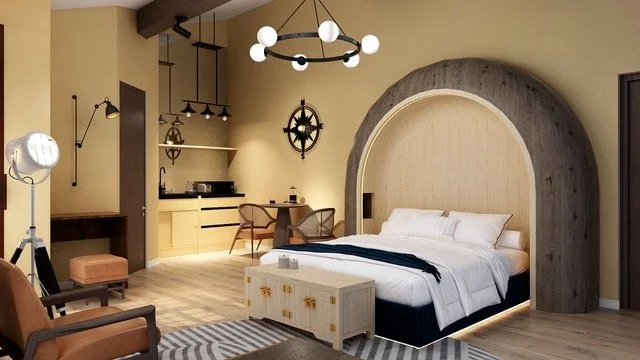
This model suggests that as a guest moves deeper into the hotel, the architecture should transition from “Public Grandeur” to “Private Sanctuary.” The lobby is the widest circle, designed for social energy. The hallways are transitional zones where lighting becomes softer and ceilings may be lower. The guest room is the innermost circle, where the architecture must prioritize silence, comfort, and personal control.
Professionals use this model to avoid the error of making guest rooms feel like miniature versions of the lobby. Instead, they recognize that the grand hotel architecture guide calls for a shift in scale. This ensures that the guest feels protected once they enter their personal domain, which is the ultimate goal of hospitality architecture.
Framework 2: The Vertical Spine
The Vertical Spine model treats the elevator core and stairwells as the “trunk” of the building, with guest floors as the “branches.” In grand hotels, this spine must be robust enough to handle simultaneous guest traffic, luggage delivery, and emergency services. A common decision error is underestimating the number of elevators required, leading to long wait times that frustrate high-paying guests.
Architects applying this model look for ways to make the elevator lobby a destination in itself. Rather than a dark corner, it should be a well-lit space with clear signage and perhaps a view of the exterior. This turns a functional necessity into a moment of orientation and aesthetic pleasure for the guest.
Framework 3: Contextual Resonance
This framework asks: “How does this building speak to its location?” A grand hotel should not look the same in London as it does in Dubai or Tokyo. Contextual resonance ensures that the architecture incorporates local materials, climate-appropriate features, and cultural motifs. This prevents the “anywhere-ness” that plagues many modern luxury developments.
For a professional, this means researching local architectural history and geological characteristics. Using a specific type of local granite or designing window shapes that reference local historical arches creates a deep sense of belonging. This grand hotel architecture guide advocates for resonance as the primary way to achieve lasting brand loyalty.
Key Types, Approaches, And Nuances
The classification of grand hotels has expanded significantly from the original “palace” model. Today, we categorize these properties based on their geographic setting, architectural heritage, and target demographic. Each “flavor” of grand architecture requires a different set of priorities and design solutions.
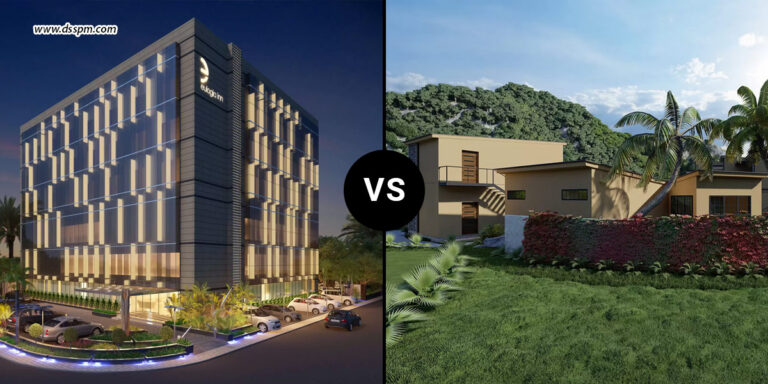
Urban Grand Hotels are often the flagships of their brands, located in the heart of major capital cities. These buildings must contend with limited footprints and high noise levels, necessitating sophisticated acoustic engineering and creative use of vertical space. They often serve as social hubs for the local community, requiring large, accessible public areas that remain secure for overnight guests.
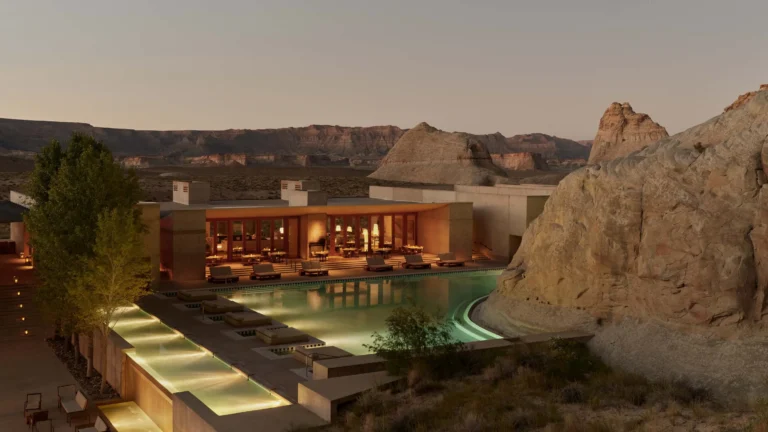
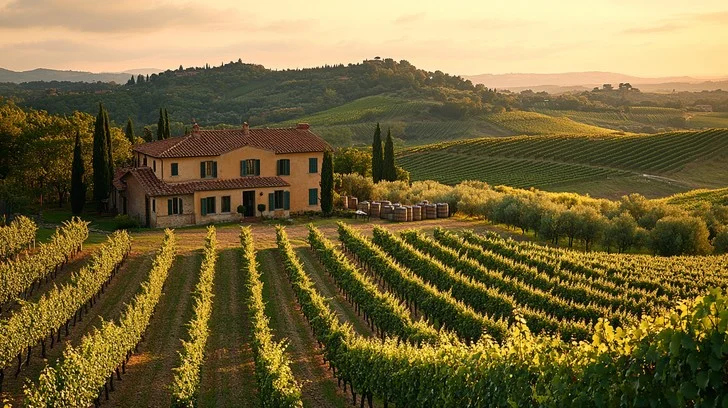
Resort Palaces, on the other hand, are defined by their relationship with the landscape. These properties often feature expansive horizontal layouts with multiple buildings connected by covered walkways or gardens. The grand hotel architecture guide for resorts focuses heavily on “sightline management,” ensuring that every guest room has an optimized view of the ocean, mountains, or forest.
Detailed Taxonomy Of Grand Hotel Variations
| Variation | Target Audience | Core Advantage | Trade-offs | Relative Complexity |
|---|---|---|---|---|
| Historic Heritage | Cultural Enthusiasts | Authenticity & Story | Structural Constraints | Very High |
| Modern Minimalist | Business Leaders | Efficiency & Calm | Perceived Coldness | Medium |
| Boutique Luxury | Niche Travelers | Personalized Design | Limited Amenities | Moderate |
| Integrated Resort | Family/Mass Luxury | Total Ecosystem | Logistical Chaos | High |
| Neo-Classical Palace | Old Wealth / Traditional | Timeless Prestige | High Upkeep Cost | High |
Choosing the right path depends heavily on the “Decision Logic” of the developer and the site’s constraints. For instance, if the site is a heritage-listed 19th-century bank, the only logical path is a Heritage conversion. However, if the project is a ground-up build in a new financial district, a Modern Minimalist approach might better serve the fast-paced needs of the target audience.
For those looking for a broader perspective on current market trends, reviewing the Best Luxury Accommodation Options: Professional Strategy Guide can provide additional insights into how these architectural types align with guest expectations. Understanding the market fit is just as important as the architectural execution when planning a multi-million dollar property.
The Nuance Of Heritage Conversions
Heritage conversions are the most complex type of grand hotel project. They require a delicate balance between preserving historical fabric and meeting modern safety and comfort standards. This grand hotel architecture guide notes that the biggest challenge is often the “hidden” infrastructure—threading modern HVAC, high-speed internet, and fire suppression through 200-year-old stone walls.
Professionals working on these projects must be experts in historic masonry and timber, as well as modern reinforcement techniques. The “nuance” here is that the goal is not to make the building look brand new, but to make it look “well-cared for.” Patina is a valuable asset in this category, and over-restoration can actually decrease the property’s market value.
Real-world Scenarios And Decision Trees
Architectural theory is best understood when applied to specific, high-pressure scenarios. In the world of grand hotels, decisions made during the design phase have “Second-Order Consequences” that can haunt a property for decades. A simple choice like where to place the delivery bay can affect guest sleep quality, traffic congestion, and staff turnover.
Scenario One: The Lobby Renovation. A 100-year-old hotel needs to update its lobby for the digital age. The decision tree involves deciding whether to keep the original check-in desk or move to a “roaming concierge” model. Keeping the desk preserves the grand hotel architecture guide’s traditional feel, but moving to tablets requires a complete overhaul of the lobby’s power and data infrastructure.
Scenario Two: The Vertical Expansion. A city-center grand hotel wants to add a rooftop bar and infinity pool. The second-order consequence is the massive increase in weight and the need for dedicated elevators. If the original structural core cannot support the new load, the cost of “underpinning” the entire building may exceed the potential revenue from the bar.
Applied Logic: The Guest Flow Dilemma
In a large integrated resort, guest flow is the primary concern. If 500 guests all try to go to breakfast at 9:00 AM, and the elevators are too small, the “Grand Experience” immediately breaks down. The decision tree for the architect is to either increase the number of elevators (losing sellable square footage) or distribute the breakfast locations across the property (increasing labor costs for the kitchen).
Practical outcomes show that “losing” square footage to elevators is almost always the better long-term decision. A guest who waits five minutes for an elevator will remember that frustration far longer than they will remember the size of their room. This grand hotel architecture guide emphasizes that operational flow is the foundation upon which luxury is built.
The Decision Tree Of Sustainability
Modern developers face a critical choice: LEED certification or pure luxury? Traditionally, these were seen as opposing goals. However, applied logic now suggests that sustainable hotels are more resilient to fluctuating energy costs. The decision tree involves choosing between high-performance “smart glass” that might have a slight tint or traditional clear glass that requires massive air conditioning loads.
The practical outcome of choosing the high-performance option is a more comfortable guest environment with fewer “hot spots” near windows. Furthermore, high-end travelers are increasingly factoring a property’s environmental record into their booking decisions. Sustainability is no longer a niche preference; it is a core component of modern grand hotel architecture.
Planning, Cost, And Resource Dynamics
The financial reality of building or maintaining a grand hotel is staggering. Unlike residential or standard commercial projects, these buildings have “High-Intensity Areas” like industrial kitchens and luxury spas that require specialized engineering. This grand hotel architecture guide warns that initial construction costs are often just the tip of the iceberg.
Direct costs include the raw materials and labor, but the “hidden costs” of a grand hotel often lie in the specialized consulting fees. You are not just hiring an architect; you are hiring lighting designers, acoustic engineers, kitchen consultants, and art curators. The opportunity cost of delaying the opening by just one month can run into the millions in lost room revenue and staff retention costs.
Grand Hotel Development Cost Estimates
| Category | Entry-Level Scenario | Professional Standard | Enterprise/High-End | Key Nuance |
|---|---|---|---|---|
| Structure (per sq ft) | $350 – $500 | $700 – $1,200 | $2,000+ | Soil conditions dictate the foundation cost. |
| FF&E (per room) | $40,000 | $150,000 | $500,000+ | Custom furniture vs. off-the-shelf. |
| MEP Systems | Standard HVAC | Zoned VRF/Silent | Smart-Grid/Redundant | Noise levels are the luxury differentiator. |
| Landscaping | Functional Greenery | Curated Gardens | Ecological Parklands | Maintenance labor is a permanent cost. |
When considering resource dynamics, it is important to consult the Best Luxury Accommodation Options: Professional Strategy Guide to understand how different investment tiers impact the final architectural output. A “cheap” structural decision, such as using thin floor slabs, often leads to an “expensive” soundproofing problem that cannot be easily fixed after the hotel is occupied.
Furthermore, the long-term resource dynamic includes the “Refresh Cycle.” Grand hotels must refresh their soft goods (carpets, curtains, linens) every 5-7 years and their hard goods (furniture, bathrooms) every 12-15 years. If the architecture does not provide easy access for these updates, the hotel will quickly fall into a state of “faded grandeur,” which is the death knell for luxury branding.
Tools, Strategies, And Ecosystems
The professional toolkit for modern grand hotel architecture has evolved from hand-drawn blueprints to complex digital twins. Building Information Modeling (BIM) is now the standard strategy for managing the incredible complexity of these projects. BIM allows architects to visualize how a pipe in the basement will affect a light fixture on the 10th floor before a single brick is laid.
The “Real Problem” that BIM solves is the coordination of dozens of different sub-contractors. In a grand hotel, space is at a premium; the “Hidden Limitation” is often the ceiling void. Everyone—the plumber, the electrician, the HVAC tech—wants that same 18 inches of space above the ceiling. Without digital coordination, “clashes” occur, leading to delays and expensive “re-work” on site.
Ecosystem Integration
A grand hotel is part of a larger urban or natural ecosystem. This grand hotel architecture guide highlights the importance of “Permeability.” The hotel should not be a fortress; it should integrate with its surroundings. For an urban hotel, this means having a lobby that feels like an extension of the street, while for a resort, it means ensuring that the buildings do not disrupt local water drainage or animal migration paths.
Strategy also involves the “Digital Ecosystem.” Modern guests expect seamless connectivity. This requires a robust fiber-optic backbone and Wi-Fi access points that are hidden but effective. The challenge for the architect is to place these tools so they are invisible, ensuring that the historical or luxury aesthetic remains unblemished by plastic routers and cabling.
Acoustic Modeling Strategies
One of the most overlooked tools in the grand hotel architecture guide is advanced acoustic modeling software. Silence is one of the most expensive luxuries to build. Professionals use software to simulate how sound travels from the hallway into the room, or how vibrations from a nearby subway line might be felt in the penthouse. This allows for the design of “decoupled” walls and floating floors that guarantee a peaceful stay.
Strategies for acoustic management also extend to public spaces. A ballroom that echoes too much is useless for weddings or corporate speeches. Using “acoustic plaster” or hidden fabric panels allows the room to remain beautiful while providing the sound quality of a recording studio. This level of detail is what separates a standard hotel from a grand one.
Risk Landscape And Failure Modes
The risks involved in grand hotel architecture are multifaceted, ranging from structural failure to brand obsolescence. A “Risk Taxonomy” identifies three primary areas: structural (the building breaks), operational (the building doesn’t work), and human (the building is uncomfortable). Small errors in any of these areas can compound into systemic failures that destroy a property’s reputation.
Structural failure in this context rarely means the building collapses. Instead, it refers to “Performance Failure,” such as windows that leak in high winds or balconies that do not drain properly. These issues are incredibly difficult to fix once the hotel is operational, as repairs often require closing guest rooms and losing significant revenue.
Operational Failure Modes
Operational failure occurs when the architecture hinders the staff’s ability to do their jobs. For example, if the laundry room is too small, linens cannot be processed fast enough for the afternoon check-in rush. This creates a “bottleneck” that ripples through the entire hotel, leading to late check-ins and angry guests. This grand hotel architecture guide stresses that the back-of-house must be “over-designed” for peak loads, not just average ones.
Another common failure mode is the “Circulation Conflict.” This happens when guests and staff are forced to share the same elevators or corridors during busy periods. It destroys the illusion of luxury and can lead to safety hazards during emergencies. Practical mitigation involves strict adherence to the “Vertical Spine” and “Service Ergonomics” frameworks discussed earlier.
Human And Aesthetic Failure
Human error in design often manifests as “Unintuitive Layouts.” If a guest cannot find the elevator without looking for a sign, the architecture has failed. A grand hotel should “tell” the guest where to go through lighting, floor patterns, and architectural cues. When guests feel lost or confused, their stress levels rise, negating the relaxation they are paying for.
Aesthetic failure involves the use of materials that do not age well. “Trend-chasing” is a significant risk; a hotel that looks cutting-edge in 2024 might look painfully dated by 2030. This grand hotel architecture guide recommends a “70/30” rule: 70% of the design should be timeless and classical, while 30% (furniture, art, soft goods) can be trendier and more easily replaced.
Governance, Maintenance, And Sustainability
Mastering a grand hotel requires a shift from “Project Thinking” to “Lifecycle Thinking.” Static systems fail because they cannot adapt to changing guest needs or mechanical wear and tear. “Dynamic Adaptation” is the process of continuously reviewing and upgrading the building’s systems to ensure they remain at the peak of performance.
Sustainability in governance means more than just saving water; it means ensuring the building’s social and financial longevity. A grand hotel that does not maintain a positive relationship with its local community or its staff will eventually fail, regardless of how beautiful the architecture is. Maintenance cycles must be documented and funded as a non-negotiable part of the operating budget.
Long-term Mastery Checklist
- Quarterly “Silent Walkthrough”: Professional auditors check for micro-vibrations, acoustic leaks, and lighting inconsistencies.
- Biannual MEP Stress Test: Running all systems at 110% capacity to identify potential failure points before they occur.
- Five-Year Aesthetic Audit: Evaluating soft goods for wear and ensuring the design still resonates with the target market.
- Ten-Year Structural Review: Inspection of the building envelope, roofing, and foundation for signs of environmental stress.
- Ongoing Staff Ergonomics Survey: Collecting feedback from housekeepers and servers on how the layout could be improved for efficiency.
Maintaining high standards requires consistent oversight, as explained in the Best Luxury Accommodation Options: Professional Strategy Guide. Without a robust documentation system, the knowledge of “how the building works” often leaves with the original engineering team. Success depends on creating a “Building Manual” that is as detailed as the original architectural plans.
Governance also involves “Future-Proofing.” This grand hotel architecture guide suggests that every major renovation should include an upgrade to the building’s digital backbone. As technology advances, the demand for power and data will only increase. Planning for this “Digital Thirst” during routine maintenance is much cheaper than doing it as a standalone project later.
Measurement, Kpis, And Evaluation
How do we measure the success of grand hotel architecture? It is not just about the beauty of the lobby; it is about “Leading Indicators” that predict long-term viability. For example, a leading indicator might be the “Guest Flow Velocity”—how quickly a guest can move from the curb to their room during peak hours. If this metric is low, the architecture is a bottleneck.
Lagging indicators are the final results, such as the RevPAR (Revenue Per Available Room) or the “Property Appreciation Value.” While these are important for stakeholders, the professional architect focuses on the leading indicators because they are actionable. If the “Acoustic Isolation Rating” of the guest rooms is high, the “Guest Satisfaction Score” (a lagging indicator) is almost guaranteed to follow.
Reporting And Documentation Examples
A professional evaluation report might include a “Spatial Efficiency Ratio,” which compares the sellable square footage to the service square footage. In a grand hotel, this ratio is often lower than in a budget hotel, because luxury requires more “breathing room” and more service infrastructure. Proving the value of this “lost” space to a stakeholder requires showing how it translates into a higher nightly rate.
Another example is “Lobby Dwell Time.” Using heat-mapping technology, architects can see where guests congregate. If guests are spending time in the lounge areas but not ordering drinks, the furniture layout might be too “closed off” from the bar. Measuring these interactions allows for “Tactical Adjustments” to the furniture and lighting to optimize revenue without changing the building’s shell.
Proving Success To Stakeholders
The architect must be able to translate “Design Quality” into “Financial Performance.” By using industry standards and benchmarking against other properties in the same class, the professional can show that the higher cost of a grand hotel architecture guide-compliant project is a rational investment. For instance, showing that high-quality window glazing reduces HVAC costs by 25% provides a clear “Return on Investment” (ROI) story.
Success is also measured by the “Resale Value” of the asset. A well-designed grand hotel is a “Trophy Asset” that holds its value even during economic downturns. Documentation of maintenance cycles, structural integrity, and brand consistency is what allows a property to be sold for a premium, proving the architecture’s success to the ultimate stakeholder: the owner’s bottom line.
Common Misconceptions And Myths
One of the most persistent myths is that “More Gold Equals More Luxury.” In modern grand hotel architecture, luxury is defined by space, light, and silence. Over-ornamentation can often feel “cheap” if the underlying proportions of the room are incorrect. True grandeur comes from the quality of the “bones”—the height of the ceilings, the width of the hallways, and the depth of the windows.
Another myth is that “Lobbies are Just Waiting Rooms.” In reality, the lobby is the “Social Heart” of the building and a primary revenue generator. A lobby that is designed only for check-in is a wasted opportunity. The grand hotel architecture guide emphasizes that the lobby must be a multi-functional space where people want to linger, work, and socialize.
Deconstructing Common Myths
- Myth: Bigger rooms are always better. Reality: A smaller room with perfect lighting and acoustics feels more luxurious than a large, echoey one.
- Myth: Service elevators are a luxury, not a necessity. Reality: Without dedicated service elevators, a hotel cannot maintain a five-star service standard.
- Myth: Sustainable buildings can’t be “Grand.” Reality: Many of the world’s most luxurious new properties are LEED Platinum certified.
- Myth: Historical buildings cannot be “Smart.” Reality: Advanced technology can be seamlessly integrated into historic shells without damaging the fabric.
- Myth: The architect’s job ends at opening. Reality: Architecture is an ongoing process of adjustment and maintenance.
- Myth: Luxury means high maintenance. Reality: Good design prioritizes “Durability” to reduce long-term maintenance costs.
The persistence of these myths often comes from a lack of “Systems Thinking.” Beginners see the surface; professionals see the system. By filtering out these misconceptions, developers can focus their budget on the elements that truly impact the guest experience and the property’s long-term health.
For example, the myth that “luxury means high maintenance” leads many to choose delicate materials that look great for a month but require daily replacement. A professional grand hotel architecture guide would instead suggest a high-grade quartzite that looks like marble but is virtually indestructible. This “Truth Filter” is essential for sustainable business operations.
Ethical, Contextual, And Practical Limits
Every architectural approach has its boundaries. There are “Gray Areas” where the desire for luxury may conflict with the needs of the local community or the environment. For instance, building a massive resort in a water-scarce region presents a significant ethical challenge. The “Grand Hotel” should not be an island of excess in a sea of poverty or environmental degradation.
Practical limits also include the “Law of Diminishing Returns.” There is a point where adding more marble or more specialized staff does not significantly increase the nightly rate. Architects and developers must find the “Sweet Spot” where the level of grandeur matches the market’s willingness to pay. Over-building in a secondary market is a common cause of financial failure in the hospitality sector.
When Not To Use This Approach
The “Grand Hotel” model is not appropriate for every project. In fast-growing “Transit Hubs” where guests stay for less than 12 hours, the complexity and cost of grand architecture are unnecessary. In these cases, a “High-Efficiency Capsule” or “Standard Business” model is more ethical and practical. This grand hotel architecture guide is specifically for properties that aim to be destinations in themselves.
Another constraint is the “Operational Capacity” of the local labor market. A grand hotel requires a large, highly trained staff. If the local population cannot support these staffing levels, the architectural design must be simplified to allow for more automated service. Building a “Palace” in a location where you cannot find a “Butler” is a recipe for a brand disaster.
The Constraints Of The Current Era
We are currently living in an era of “Radical Transparency.” Guests can photograph and review every corner of a hotel within seconds of arrival. This means that “Gray Areas” in maintenance or cleanliness are immediately exposed. The architectural response must be to eliminate “Dark Corners” and design spaces that are inherently easy to clean and maintain.
Furthermore, global supply chain volatility has placed a practical limit on using exotic materials from across the world. The current trend is toward “Hyper-Localism,” where the architecture celebrates the beauty of its immediate surroundings. This is both an ethical choice and a practical hedge against the rising cost and carbon footprint of international shipping.
Conclusion
The synthesis of this grand hotel architecture guide rests on the delicate balance between “Human Judgment” and “Systemic Process.” While the digital tools and frameworks provide a necessary foundation, the final “magic” of a grand hotel comes from the architect’s ability to create a sense of wonder and belonging. This is not something that can be automated; it requires a deep understanding of human psychology and cultural history.
Ultimately, a grand hotel is a testament to the belief that travel is an art form worthy of a monumental setting. By adhering to the principles of spatial hierarchy, service ergonomics, and contextual resonance, we ensure that these buildings continue to serve as the “living rooms of the world” for generations to come. The most successful properties are those that feel as though they have always existed, yet are perfectly equipped for the future.
As the industry continues to evolve, the definition of “grandeur” will undoubtedly shift, but the core need for beauty, comfort, and seamless service will remain constant. Architects who master this guide will be well-positioned to lead the next generation of hospitality design. The true great hotel is one where the architecture disappears into the background, leaving the guest with nothing but the memory of a perfect stay.
Frequently Asked Questions
What Is The Most Important Element Of A Grand Hotel Architecture Guide?
The most critical element is the “Spatial Hierarchy,” specifically the absolute segregation of guest areas and service operations. This ensures that the luxury experience is never interrupted by the logistical realities of running a large hotel, maintaining the illusion of effortless service.
How Does Modern Technology Impact The Design Of Historic Grand Hotels?
Modern technology must be “invisible” in a historic context. This involves threading high-speed data, climate control, and modern plumbing through old structures without disturbing the aesthetic fabric. The goal is to provide 21st-century comfort within a 19th-century shell.
Why Is Acoustics So Important In Grand Hotel Architecture?
Silence is a primary luxury indicator. Guests in a grand hotel expect a sanctuary from the noise of the city and other guests. Advanced acoustic modeling and specialized construction materials are required to ensure that sound does not travel between rooms or from public spaces into private areas.
What Is The Difference Between A Boutique Hotel And A Grand Hotel?
A boutique hotel focuses on personalized, niche design and intimate scale, often with limited amenities. A grand hotel is characterized by its monumental scale, a wide range of public services (ballrooms, multiple restaurants, spas), and a civic presence that makes it a landmark within its city.
How Does Sustainability Fit Into The Grand Hotel Architecture Guide?
Sustainability is now a core requirement, focusing on “Long-Term Resilience.” This includes using locally sourced, durable materials, energy-efficient MEP systems, and designs that can adapt to future technological changes without requiring a total demolition and rebuild.